Tag Archives: global warming

Is Soil Dryness Responsible for Early Grape Ripening in Australia?


Climate change, be it brought on by anthropomorphic sources or the natural cycle of the earth (I’m not trying to start that debate), is continuing to be touted as having a significant influence on agriculture and also viticulture worldwide.  Scientists have been predicting that growing and ripening seasons are likely to change in some places, while some (if not all, eventually) will find that the variety of grapes traditionally grown in their region will no longer survive there and other varieties of grapes will have to be planted in order to keep up with the changing environment and climate.

In Australia, studies have found that many grapes varieties in 11 of 12 grape growing regions have been ripening earlier in time periods between 35 and 115 years.  It was noted that these early ripening years were correlated with increases in temperature.  One study in particular by Webb et al (2012) surmised that the earlier ripening in these regions was quite possibly due to temperature increases, soil drying, and/or changes in vineyard management techniques.

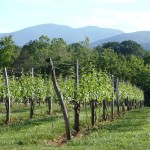
By Amanda Slater (originally posted to Flickr as Barossa Valley. SA) [CC-BY-SA-2.0 (http://creativecommons.org/licenses/by-sa/2.0)], via Wikimedia Commons

By Amanda Slater (originally posted to Flickr as Barossa Valley. SA) [CC-BY-SA-2.0 (http://creativecommons.org/licenses/by-sa/2.0)], via Wikimedia Commons

The author of the study presented today (White 2013) claims that there are several issues with the conclusions that Webb et al (2012) came up with.  First, he claimed that the data Webb et al (2012) used was for areas of land around 2500 hectares, whereas the vineyards they were analyzing were significantly smaller at 0.2 to 16 hectares.  The “behavior” of any given piece of land can be radically different even at relatively close distances.  Assuming the environmental information ascertained from a 2500 hectare plot is similar to a random tiny vineyard of no more than 16 hectares in size could be dangerously inaccurate, resulting in missed data or other important hydrological and geographical information unique to that particular vineyard or area.

White (2013) also noted that the soil data used by Webb et al (2012) was for the entire continent of Australia and not for any one particular vineyard site.  Again, similar to the concept described above, the soil in one particular area may be radically different from the soil in another, thus using the average for an entire continent may lead to inaccurate results.

Next, White (2013) noted that the water data used by Webb et al (2012) did not include data from regions by which some of the study vineyards were located.  This may have resulted in some loss of data and loss of result accuracy.

Finally, the last beef that White (2013) had with the study by Webb et al (2012) was that they only used growing season rainfall totals, whereas White argued that the more appropriate variable would be the annual rainfall total.  Just because the vines are dormant in the winter does not mean that the rainfall occurring at that time has no influence on the growth and development of the vine the following spring and summer.

Focusing on Soil Dryness

One of the claims Webb et al (2012) made is that earlier ripening could be due to increased soil dryness.  As a result of the aforementioned flaws in the study design, White (2013) sought to examine this claim further, to either confirm or refute the hypothesis based on more accurate data.

Soil moisture can be simply defined as the balance “between rainfall and actual evapotranspiration, with a variable small surplus in winter going to drainage” (White, 2013).  In other words, the soil will be moist or dry depending upon how much rain it got, plus the amount of moisture that is lost through evapotranspiration (think moisture lost due to heat to the atmosphere) with a small amount draining into the water table far below the surface.  As air temperatures increase, potential evapotranspiration increases.  In other words, as air temperature increases, more water is lost from the plant to the atmosphere.

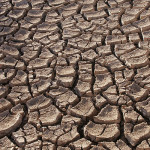
By Tomas Castelazo (Own work) [GFDL (http://www.gnu.org/copyleft/fdl.html) or CC-BY-3.0 (http://creativecommons.org/licenses/by/3.0)], via Wikimedia Commons

By Tomas Castelazo (Own work) [GFDL (http://www.gnu.org/copyleft/fdl.html) or CC-BY-3.0 (http://creativecommons.org/licenses/by/3.0)], via Wikimedia Commons

It is important to note that as temperatures and carbon dioxide increase, plants have a mechanism to conserve their water by closing their stomatal pours on the leaves.  By closing the stomata, the amount of water that is lost by the plant to the atmosphere decreases and remains within the plant and within the soil around the plant for survival.

So in reality, as White (2013) noted, for most vegetation in areas that are known to have low rainfall or suffer from near drought-like conditions, the decrease in water loss by the plant is directly affected by increased temperatures and increased carbon dioxide, thus counteracting the potential loss of water to the atmosphere had these stomatal closing mechanisms not been in place.  Hydrological research also found that catchment runoff (i.e. runoff from the higher elevations to the lower elevations)  increases with increasing carbon dioxide, thus supporting the idea that as temperatures and carbon dioxide increase, water is not lost into the atmosphere but is in fact retained in the plant and in the soil around the plant.

Due to the results of this research in plant physiology and catchment hydrology as mentioned just previously, White (2013) concluded that annual rainfall may be a good surrogate for soil moisture when the measurements of soil moisture are not readily available.  The overall goal of the study was to determine if trends in annual rainfall confirmed or refuted the theory that soil drying has an effect on earlier ripening in grapes based on the conclusions made by Webb et al (2012).

Briefly, the annual rainfall data and the grape ripening data from 5 different grape growing regions in Australia and over an 11 year moving average were analyzed using a linear mathematical model.

Conclusions

The results of the study found that 3 out of 5 grape growing regions showed positive annual rainfall trends (i.e. increased annual rainfall over time), while 2 out of 5 regions showed negative annual rainfall trends (i.e. decreased annual rainfall over time).  Only one of each was statistically significant.  According to White (2013) the model results are consistent with the data collected from those same regions in Australia during those same time periods.

Since there was a significant increase in annual rainfall during this 11 year period, White (2013) said it was not possible that soil drying would be contributing to the early ripening found at vineyards throughout the region.  In fact, if anything, the soil was getting wetter while the grapes were ripening earlier!

At the site that did see a significant decrease in annual rainfall, there was actually no change in grape ripening found in previous studies.  So, if Webb et al (2012) were correct in their assumption, this site should have seen either no change in annual rainfall plus no change in ripening date, or a decrease in rainfall plus an earlier ripening date.  Since neither of these scenarios played out, White (2013) ascertained that soil dryness was not contributing to earlier ripening in the grapes of Australia.

Based on these results, White (2013) expressed confidence that soil dryness did not influence the date of ripening for grape varieties in Australia.  In fact, it is likely that there are other factors involved that are significantly affecting this date, with the more likely culprits, according to White (2013), being vineyard management practices and increased air temperatures.  According to White (2013), vineyard management practices had changed around this time period, which is something that should be significantly considered as a major player in earlier grape ripening.

Personally, I don’t lay the blame on any one factor in particular.  I think many different factors act in concert to speed up the ripening process of these grapes, and thereby more complex mathematical models taking more of these factors into consideration should be tested.

I’d love to hear what you all think!  Please feel free to leave your comments!

Source: White, R.E. 2013. Has soil drying contributed to earlier grape ripening in wine regions of southern Australia? Australian Journal of Grape and Wine Research 19 (1): 123-127.

The Effect of Water Deficits on Anthocyanin and Tannin Concentrations of Merlot Grapes

http://blog.selenewines.com/wp-content/
uploads/2009/09/Bare-Merlot-vine.jpg

Flavonoids in grapes, particularly anthocyanins and tannins, have great impact on the quality of wines, specifically in the areas of color and astringency.  The composition of these compounds in grapes depends on many factors, including grape variety, water status, and other environmental/climatic variability.  This variability in grapes leads to a large variability in flavonoid concentration in finished wine as well, which can further be manipulated by different wine making procedures and techniques.   In regards to water status during the growing season, it is known that changes in water availability alters the concentrations of these major flavonoids, however, it is unclear precisely how and to what extent these changes are reflected in the grape.

Berry ripening may be either accelerated or decelerated depending upon the timing and duration/severity of the drought.  Skin growth itself could be inhibited during droughts, which could alter the proportion of skins and seeds to total berry weight, which is an important indicator of grape quality.  In terms of flavonoid synthesis, tannins are synthesized earlier in the season, while anthocyanins are synthesized later.  Therefore, the timing of the water deficit could be critical in the development of one or both of these important quality components of grapes and wine.  Specifically, it is thought that since flavonoids are primarily located in the skins of grapes, when berry growth is inhibited by some mechanism, the resulting concentrations of flavonoids in the grape will be increased due to an increased surface:volume ratio.

The goal of the current study, therefore, was to examine the influence of water status on grape berry growth, skin tannins, and anthocyanins in Merlot grapes in order to determine the extent that which water deficits induce changes in grape berry composition.  To date, results of similar studies have been inconsistent.  By understanding how water deficits alter flavonoid composition (specifically tannins and anthocyanins), one may be able to develop specific vineyard management strategies in order to maximize the quality of the grapes, and ultimately quality of the wine produced from those grapes.

Methods

Experiments were performed in 2004, 2005, 2007, and 2008 in a vineyard of Merlot (Vitis vinifera) which was planted in 1993.  The vineyard was located at an experimental farm at the University of Udine in northeast Italy on soil (49% sand, 31.5% silt, and 19.5% clay) with 12% gravel, 0% slope, 29.3% field capacity, and a permanent wilting point of 19.3%.  Orientations of the rows were north-south, with spacing at 1m between plants, and 2.5m between rows, and about 4000 vines per hectare.  Vines were trained on a spur cordon system.

Water control to the vines was achieved by sheltering the rows under a tunnel covered by a polyethylene film.  The tunnel was placed over the whole experimental block that included four rows of 60m in length (240 vines).  Experimental rows were the two center rows of the four, since rain water could possibly seep into the edges of the tunnel and uncontrollably change the water status of the two rows closest to the edge.  The first and last 8 plants of each experimental row were also excluded due to the same reasons as mentioned just previously.  Water was supplied to the vines by a sub-surface drip irrigation system with emitters at 2.5L per square meter per hectare.  Each emitter was 0.6m apart and there was 2.5m between each irrigation line.

Plant water status was measured by midday measurements of stem water potential.  To measure this, two leaves per plot (on each side of the row) were covered with aluminum foil coated plastic bags for one hour, in order for the stem and leaf water potential to equilibrate.  After one hour, the leaves were removed and stem water potential was measured by a pressure chamber.

Two water/irrigation treatments were established: a control were vines were irrigated once a week in order to keep the stem water potential between -0.2 and -0.6MPa, and a water deficit (WD) treatment were vines were irrigated to maintain a stem water potential of -0.8 and -1.4MPa during the ripening period.  To maintain this level, irrigation was cut off on the WD vines 43, 34, 45, and 47 days after anthesis in 2004, 2005, 2007, and 2008, respectively.  With the exception of 2007, one more irrigation was applied to WD vines between veraison and harvest.

Each irrigation treatment was replicated on four plots of 12 vines each.  Both control and water deficit treatments were performed under the polyethylene tunnels, to account for any microclimatic variation caused by being under the tunnel.

Grape berries were sampled every 7-14 days, from 21-40 days after anthesis to harvest.  For each sampling day, two sets of 30 berry samples were collected from each plot.  One set was collected to measure juice soluble solids (oBrix) and titratable acidity, while the other set was collected for anthocyanin and tannin analysis.

Results

  •       Midday stem water potentials were significantly lower in water deficit treatments than in control treatments from 55 days after anthesis until harvest.
  •       Stem water potential decreased progressively in water deficit treatment vines throughout the ripening period, while stem water potential for the control vines remained consistently higher than -0.65MPa.
  •        There were differences in the severity and the timing when the deficit became very severe.
  •       Across all four seasons, water deficit significantly reduced the final berry weight and pH, and had no effect on soluble solids, titratable acidity, skin weight, or skin/berry weight.

o   There was a significant effect of season on all size and chemistry parameters, as well as a significant season x irrigation treatment interaction for berry weight, soluble solids, and titratable acidity (parameters were significantly different in some years but not others).

  •       Anthocyanin concentrations significantly increased in the water deficit treatment but had no effect on skin tannin concentrations.

o   There were significant season effects on anthocyanin and tannin concentrations, and significant season x irrigation treatment interactions for tannin concentrations (significant changes in some years but not others).

o   Tannin concentrations were not affected by irrigation treatment.

  •       Water deficit inhibited berry growth, though it did not alter the berry growth pattern during the season.
  •       Maximum berry weight was reached at the same time for both treatments.
  •        At harvest, water deficit berries were 7.6% to 20.1% smaller than control berries.
  •       Skin tissue was 7-15% of berry weight, though skin and berry growth was relatively inconsistent from season to season.
  •       Berry soluble solids were not consistently affected by irrigation treatment.
  •       Titratable acidity was not affected by irrigation treatment.
  •        Anthocyanin concentrations increased faster in water deficit berries than control berries, and were significantly higher in water deficit berries after 30 days into the treatment.

o   Water deficit increased the overall mean anthocyanin concentration at harvest by 50% compared to controls.

  •       Overall mean tannin concentrations at harvest were not significantly different between treatments.

o   There was a significant treatment x year interaction (the treatment was significant in some years, but not others), and water deficit significantly increased tannins in 3 out of the 4 years.

Conclusions

The results of this study showed that anthocyanin concentrations in Merlot grapes significantly increased with the water deficit treatment; whereas only in certain years did this deficit alter skin tannin concentrations.  These results indicate that the relationship between fruit ripening and water status is complex.  Other studies have shown that tannin synthesis occurs earlier on in the ripening period, whereas anthocyanin synthesis occurs later on in the season.  Therefore if most or all of the tannins are synthesized before the water deficit occurs, it is likely that the drought will not significantly affect the concentrations of the compound.  However, if the water deficit occurs before synthesis is complete, as it happened with the anthocyanin concentrations in this experiment, final concentrations will likely be much more variable and affected by the drought.

The authors continued to elaborate on this relationship between flavonoid concentrations and water deficits in that the increase is due to an upregulation of anthocyanin biosynthesis but no corresponding increase in tannin biosynthesis.  Based on the results from other studies, the authors could not rule out a possible inhibition of anthocyanin degradation instead of the upregulation theory described earlier.  More research that focused on this type of physiology would need to be performed in order to get a more accurate understanding of the mechanisms involved with the increase in anthocyanin concentration when under a water deficit.

Generally speaking, the results of this study give some insight into how water deficits may alter the quality of grapes which would ultimately lead to changes in the quality of the wine produced from those grapes.  More work needs to be done to further understand the mechanisms behind the changes observed in the study, and should include many more parameters, as chemical composition of grapes can be very complex with each part playing a different role in different environmental and climatic situations. 

I’d also be curious to see a study that combined not only the types of experiments performed in this study, but to also take it one step further and create wines from the grapes under the different irrigation treatment, in order to determine how water deficits actually affect overall wine quality, instead of simply making assumptions.  Also, a study incorporating several different varieties of grapes may be important as well, as studies have shown that different grape varieties are affected by environmental or climatic conditions differently.

I’d love to hear what you all think of this study.  Can you think of ways to improve upon this study?

Source: Bucchetti, B., Matthews, M.A., Falginella, L., Peterlunger, E., and Castellarin, S. 2011. Effect of water deficit on Merlot grape tannins and anthocyanins across four seasons. Scientia Horticulturae 128: 297-305.

DOI: 10.1016/j.scienta.2011.02.003
I am not a health professional, nor do I pretend to be. Please consult your doctor before altering your alcohol consumption habits. Do not consume alcohol if you are under the age of 21. Do not drink and drive. Enjoy responsibly!

The Economic Effect of Climate Change on Viticulture

Regardless of what you believe is the cause, global warming and climate change is occurring.  Depending upon where one looks around the globe, climate change affects specific areas of the world differently.  Specifically, in regards to wine and viticulture in California, studies have shown that global warming could have negative effects on the quality of wine (Pinot Noir, specifically) in the region, which would likely be reflected by lower prices.

Is it possible that some areas of the world will see positive benefits of global warming?

http://www.winerelease.com/Past_Newsletters/
2009/MoselSteepVines1.jpg

The paper reviewed today, though now a couple of years old at this point, aimed to examine the economic impact of global warming on viticulture in the Mosel Valley of Germany, which lies between 49.61o and 50.34o latitude.  Within the Mosel Valley, production of grapes depends upon specific site characteristics such and steep slopes on rocky/infertile soil and specific weather conditions to allow for winter survival and successful ripening.  As a result, wine quality (as well as prices) depend upon weather and can therefore vary widely from year to year.  Due to these specific limitations and characteristics in the Mosel Valley, it is expected that temperature-induced changes due to climate change will have a direct impact on the economics on this part of Germany.

In order to study the economic impact of global warming on viticulture in the Mosel Valley of Germany, the authors used the “Ricardian” approach that has been verified and validated by other studies focusing on the effects of climate change on agriculture.  To be more specific, the authors created their three models based on different price data, including retail, wholesale, and auction prices.

Model and Data

The data this model focused on revenue and its components.  Per hectare revenue between 1997 and 2008 in each of the 5 viticultural areas of the Mosel Valley were examined (Upper Mosel, Middle Mosel, Lower Mosel, Saar, and Ruwer Valley).  Revenue is basically calculated by the product of price and crop yield, though there are some other complexities that result in deviations from this simple formula, such as how wines in the Mosel Valley are labeled and marketed. 

Basically, German wines are classified and labeled according to the natural sugar content of the grape must (unfermented) based on the Oechsle cale (oOe):  the sweeter the must; the higher the alcohol; the stronger the aroma; and finally the higher the quality.  The quality of wines increase in the following order: Quality Wine (no oOe requirement), Kabinett (70oOe), Spätlese (76oOe), Auslese (83oOe), Beerenauslese (110oOe), Eiswein (110oOe), and Trockenbeerenauslese (150oOe).  Wine prices are thereby determined by the vineyard where the grapes were grown and by the quality level.

Data for revenue per hectare are not readily available; however, they can easily be calculated by multiplying crop yield data by the average prices for each region and each wine quality level.  Wine prices by region and by quality are not readily available; however, they can easily be calculated by drawing on various wine price data using three different sources (retail, wholesale, and auction).

Wine production data by region and by quality between 1997 and 2008 was provided by the Statistical Office of the State of Rheinland-Pfalz and its agricultural commission (Landwirtschaftskammer).

A disadvantage to using retail and wholesale price data is that they refer to posted prices, not transaction prices (though sometimes they are).  Conversely, an advantage to using these data is that they cover a wide range of wine producers in the Mosel Valley.  Auction prices, while they do represent actual transaction prices, only a very small percentage of Mosel Valley wines are represented and sold, so auction prices may not be representative of the Mosel Valley region in general.

Retail price data from 1994 to 2008 came from the Gault Millau Wine Guide for Germany.  This guide contained detailed information about wine age, geographic origin, and quality classification, as well as the data to allow for the calculation of wine prices and quality levels per region.  Wholesale price data from 1993 to 2001 came from the Mainz Wine Trade Fair (Mainzer Weinbörse).  Auction price data from 1981 to 2008 came from the wine associations VDP Grosser Ring and Bernkasteler Ring.

Auction wines, though in the past represented a great variety of wines in the Mosel Valley region, primarily serve now as a showcase for a few very high quality wines.  For example, only 0.13% of wines auctioned are Quality Wines (lowest quality), while 74.1% of all wines produced in the Mosel Valley are at the Quality Wine level.  Also, 12% of the wines sold at auction are Eiswein, Beerenauslese, or Trockenbeerenauslese quality levels, whereas these quality levels only represent 0.2% of the total production of the Mosel Valley. 

According to the authors, responses of prices to temperature during the growing season are very sensitive to these higher quality wines, making it likely that these data will suffer from selection bias.  Also, the auction price data are likely to overstate the average effect of temperature on price.  In years of good weather, yield reduction is practices in vineyards production higher quality wines, therefore prices of these quality wines are already partially a result of weather.  Crop yields more fully reflect weather variation in the Upper Mosel region, where quality of wine is lower and yield reduction is seldom practiced.

Results

  •       Wine quality and price are highly dependent upon weather, as seen in other studies.

o   In more northern latitudes, warmer and drier weather are expected to yield higher quality fruit.

o   Warmer weather had a significantly positive effect on prices.

o   Higher quality wines benefitted from a warmer growing season than lower quality wines.

o   The effect of temperature increase on price was greatest in the regions of Saar and Ruwer.

  •        Auction prices were significantly more sensitive to temperature changes than retail or wholesale prices.
  •       There was a greater production of higher quality wines in warmer years.

o   Increases in temperature resulted in an increase in wine prices within each quality level.

o   Increases in temperature resulted in higher number of higher quality wines than lower quality wines.

  •       Revenue per hectare significantly increased with increasing temperatures.

o   The extent of this effect depends on which price structure one is considering:

§  Auction price data suggested increases in revenue of 63% per degrees Celsius increase.

·         Since auction data focuses mostly on high quality wines, this result is most likely an overestimate of the revenue increase due to increasing temperatures.

§  Wholesale price data suggested increases in revenue of 27% per degrees Celsius increase.

§  Retail price data suggested increases in revenue of 37% per degrees Celsius increase.

Conclusions

All three models employed in this study suggest that the vineyards of the Mosel Valley in Germany will increase in value as a result of increasing temperatures caused by climate change.  Auction prices will likely overestimate this increase, whereas retail and wholesale prices more accurately represent the potential effect of global warming on changing prices of wine. 

According to the results of the models, the authors predict that a 3oC increase in temperature would more than double the value of the vineyards in the Mosel Valley region.  A more moderate increase of 1oC is predicted to result in an increase in revenue of about 30%.

One thing that’s not certain is whether we will continue to see this trend as the future progresses, or if we are in a more transitional period with much more change to come.  The only thing we can do is to continue running these models and adjust parameters accordingly depending upon any new changes observed.

The authors described a few more limitations of the models used in this study.  The first limitation is that the model does not take into account any general equilibrium effects that may occur with the restructuring of land prices.  Specifically, if there were to be any dramatic changes in prices of vineyard land itself due to climate change, there could be consequences for the final results of the price analysis.  Another limitation presented by the authors is that the results presented represent only a small fraction of the overall appraisal of the role of climate change on vineyard and general agricultural values.  Finally, it’s possible that too high an increase in temperature would be detrimental on price, if the grapes were subsequently damaged by excessive heat.

I’d love to hear your thoughts on this topic.  Please feel free to comment below (no html tags, please).

Source: Ashenfelter, O., and Storchmann, K. 2010. Measuring the Economic Effect of Global Warming on Viticulture Using Auction, Retail, and Wholesale Prices. Review of Industrial Organization 37: 51-64.

DOI: 10.1007/s11151-010-9256-6
I am not a health professional, nor do I pretend to be. Please consult your doctor before altering your alcohol consumption habits. Do not consume alcohol if you are under the age of 21. Do not drink and drive. Enjoy responsibly!

Effects of Climate Change on Phenolic Composition of California Pinot Noir: Implications for Vineyard Management

As I sit here on this gorgeous 65-degree day in February (in Virginia), I can’t help but think about global warming.  Regardless of how you believe it was caused, be it by anthropogenic sources or a natural cycle of the earth, I think we can all agree that the earths’ climate is changing.  How does this affect viticulture and wine quality?

http://earthgreen9.com/wp-content/uploads/
2010/10/Global-Climate-Change3.jpg

Studies have found that temperature affects the rate of development of the grape, which includes sugar accumulation, acid loss, and the synthesis of color and flavor components.  The levels of components such as anthocyanins, phenolics, tannins, and other antioxidants affect color, bitterness, and flavor, and the ratios of which can alter the overall quality of the finished wine.  Tannins will bind to pigment anthocyanins, higher levels of which will create more stable color for red wine aging and overall higher quality.  In regards to consumer preferences, studies have shown consumers prefer higher levels of tannins, and in regards to anthocyanins, studies have found that there is a positive correlation between anthocyanin concentrations and price.

One major concern about global warming and climate change is that it could shift the timing of the growing season, which would ultimately decrease the quality of the finished wine from earlier grape harvests at high temperatures.  Every viticultural area is different, however in warmer climates; higher temperatures may have a negative effect on the quality of the finished wine.  Very little research has been done in the field; however some greenhouse studies (controlled environments) have shown that when grapevines are exposed to higher temperatures, they produce significantly lower levels of anthocyanins, while sometimes even degrading the anthocyanins that remain.

One type of grape that may be more sensitive to climate change, due to its’ ideal growing conditions, is Pinot Noir.  Pinot Noir is typically a cool-climate grape, requiring approximately 1150 degree-days for maturation.  It is these types of grapes; cool-climate varieties; that scientists speculate will be most affected by rising temperatures caused by climate change.

In addition to increased temperatures, it is speculated that light intensity may have an equal, if not greater effect on the development of the grape.  Traditionally, light is thought to increase phenolic concentrations (including anthocyanins), however, too much exposure of light may bleach the berries, which may lead to decreased color.  It is unknown whether these affects are in fact due to light, or due to temperature, and results in the literature appear to be mixed.

The overall goal of the study presented today was to collect detailed temperature and light measurements, and to analyze their effects on Pinot Noir skin composition, while providing suggestions on possible changes to vineyard management practices.

Methods

The study occurred at private, commercial vineyards in Sonoma Valley and Los Carneros American Viticultural Areas.  7 vineyards were studied in 2005, 8 vineyards in 2006, and 6 vineyards in 2007.  Pinot Noir vines were at least 5 years old, planted between 1998 and 2001, and were similar clones and rootstocks.  In general, rows were oriented northwest-southeast, with sites chosen to represent a large span of temperatures across an area.

There were three sites in Los Carneros AVA: one from the western side of the Sonoma edge, one from the Sonoma/Napa border, and one at the eastern edge of Napa.  In the Sonoma Valley AVA, there were five sites which spanned north-south from the southern edge of the AVA to the mid-valley near Eldrige and from the foothills of the Sonoma Mountains in the west to the eastern border of the AVA with Napa.  All vineyard sites spanned an east-west range of 16km and a north-south range of 12km.

Grape samples were collected in order to sample a minimum number of berries from a maximum number of vines, and to try to collect 500 berries total per vineyard.  Each vineyard was divided up into five blocks, and within each block, six randomly selected vines were chosen.  From these randomly selected vines, 3 clusters were randomly selected (per vine) and 5 berries per cluster were randomly selected, for a total of 450 berries per vineyard (15 berries per vine and 30 vines per vineyard).  Clusters were not looked at before they were selected, in order to avoid bias.  Clusters that were selected were flagged and the same clusters were measured throughout each growing season. 

Berry samples were taken at full maturity and also the mid-way point between veraison and harvest.  Berries were taken from different positions within the cluster.

Full phenolic extractions were performed on the grape skins and spectrophotometry was employed for analysis.  The following components were measured: anthocyanins, tannins, and total iron-reactive phenolic concentrations.

For climate measurements, temperature and humidity were measured every 10 minutes using a datalogger.  These readings were averaged to create hourly and daily measurements of min, max, and mean temperatures.  The following climatic data were calculated: min, max, and mean temperatures, temperature range, growing degree-days, days below 0oC, days above 30oC, days above 35oC, hours above 22oC, and hours between 16 and 22oC.

Observations of different phenological time periods were created by giving a visual estimate of the percent of all clusters on each vine achieving bloom and/or veraison, and the percent of berries on three randomly selected clusters achieving the same stage.  Climate statistics for the following phenological stages were then estimated: the previous fall, winter, budburst to bloom, bloom to veraison, and veraison to harvest.  Bloom and veraison were determined when 50% of the vines had completed capfall or color change, respectively.

For light exposure, photosynthetically active radiation (PAR) was measured within 1 week of harvest in 2006 and 2007, and were taken within 90 minutes of solar noon on clear/sunny days. Fruiting zone PAR was measured by taking the PAR reading next to the clusters on the sun-exposed side of the vine.  PAR exposure was calculated as the percentage of PAR, relative to the fruitzone PAR.

Results

  •       Temperature patterns between sites were consistent.
  •        2005 had a warm, sunny spring, a more cloudy summer, and a cool ripening period.
  •        Average dates across all vineyards for phenological stages were: March 19th for budburst, May 12th for bloom, July 27th for veraison, and September 10th for harvest.
  •       Phenological dates were significantly delayed in 2006 compared to 2005, while 2007 was slightly earlier (not significant).
  •       2006 had a cool and cloudy spring, with a hot summer and cooler ripening period.
  •       2007 had a warm and sunny spring, with a cooler summer and a warmer ripening period.
  •       Berries in 2007 were significantly smaller than the other years.
  •        Total heat accumulation was similar for all three years, though the spring of 2007 was warmer than 2006, and 2006 contained more hot days.
  •        There was no rootstock or clone effect, so data could be pooled.

Phenolic Compounds

  •       Sites with a previously cool fall had significantly higher anthocyanin and tannin concentrations than sites with a previously warm fall.
  •        Sites with a previously cool fall had significantly higher total phenolics.
  •       Statistical analysis indicated that several indicators of moderate heat from veraison to harvest were positively and significantly related to anthocyanin concentrations (and NOT significant for total phenolic and tannin concentrations).
  •       Heat accumulation in the previous fall and from bloom to veraison were negatively correlated with all measured phenolics, with the effect significantly for anthocyanins and total phenolics for hours greater than 22oC.
  •       Tannins were significantly increased by warm days between budburst and bloom.
  •       During the period of budburst to bloom, anthocyanins increased with warm days and cool nights, though it was NOT significant.
  •       Sites with higher growing degree-days and hot days had higher phenolic concentrations.
  •        Across all three years, correlations between anthocyanins and tannins were not strong.
  •       Anthocyanins were slightly more correlated with total phenolics.
  •       Tannins and total phenolics were highly correlated (as expected).
  •       Grape samples declined slightly in anthocyanin concentration, and showed large decreases in iron-reactive phenolic and tannin concentrations over time.

o   Skin weight increased slightly over this time.

o   Berry weight declined by 11% over this time.

o   Therefore, the ratio of skin to total berry weight increased by 18%.


  •       The amount of light was highly significant in explaining the levels of all measured phenolics at harvest, and also the Brix level.
  •       Increasing light explained 41% and 98% of the variability in the decrease of phenolics measured, and 37% of the variability in the increase in Brix levels.

o   In other words, increasing light leads to decreasing phenolics concentrations and increasing Brix.

Authors’ Summary

Overall, the authors of this study found that heat accumulation during the fall/winter (postharvest) prior to the year of maturity and heat from bloom to veraison were both negatively correlated with concentrations of anthocyanins, tannins, and iron-reactive phenolics.  They also found that these two time periods were highly correlated with each other.  Also, the authors found a positive correlation between anthocyanin concentration and hours from 16oC to 22oC between veraison and ripening, which has been shown to be the temperature interval that is favorable to enzymatic activity related to flavor in the finished wine.  Based on high variability from one study to the next, the authors suggested that the mechanism for the previous fall/winter climate to affect the fruit composition the next year is unclear, and that more study is needed for longer time periods.

Another important finding of this study was that light exposure explained more of the variability in total phenolics and tannins than the temperature.  The study found that high levels of light resulted in lower concentrations of anthocyanins, tannins, and total phenolics.  They speculated that it’s possible that the use of a third training wire and hedging additional shoot growth, which was applied in this vertically-shoot positioned vineyard, removed much of the shading that would have otherwise occurred. 

To date, it has been noted recently in California that warmer winter and spring temperatures have been observed.  Future estimates of warming indicate that there will be more warming in the summer than in the winter.  Models have shown that there is the possibility of a 3.3-6.4oC temperature increase in Northern California, compared to a winter warming of 2.3-3.4oC.  According to the authors, it is likely that this scale of warming could have negative effects of the quality of wine in California, which would also be reflected in the price.

Conclusions and Recommendations

This was a complete and comprehensive study in general, though I think that it should include more than just three vintages in order to determine long-term effects of a changing climate on grapevines.  Also, many more vineyard sites under different climatic conditions are needed for study.

Regarding vineyard management implications, the study found that high levels of light and temperatures during the postharvest season and between bloom and veraison resulted in decreases in the phenolic components of the grape.  It may be recommended that vineyard managers adopt an approach that increased the shading to the grape clusters on the vines, by increasing the leaves in the canopy to protect the clusters against intense light and temperature exposure.  This may mean changing the trellis system in the vineyard, and perhaps also irrigation practices, in order to create more shady and cooler conditions for the Pinot Noir grape in the Sonoma/Napa region of California to grow and develop with ideal phenolic levels as climatic conditions continue to warm.

I’d love to hear what you all think!  Please feel free to comment below by clicking on the “comment” link at the end of this post.

Source: Nicholas, K.A., Matthews, M.A., Lobell, D.B., Willits, N.H., and Field, C.B. 2011. Effect of vineyard-scale climate variability on Pinot noir phenolic composition. Agricultural and Forest Meteorology 151: 1556-1567.

DOI: 10.1016/j.agrformet.2011.06.010
I am not a health professional, nor do I pretend to be. Please consult your doctor before altering your alcohol consumption habits. Do not consume alcohol if you are under the age of 21. Do not drink and drive. Enjoy responsibly!