
Tag Archives: invention

Wine Technology of the Future: Wine Storage and Preservation Device


“Wine Technology of the Future” is a series on The Academic Wino that features new inventions and patents that attempt to make your wine experience easier and more enjoyable. Previously on this series, we’ve introduced the “self aerating wine bottle” and the “corkscrew with integral intelligent thermometer”. For today’s featured patent, we introduce to you the “wine storage and preservation device”, invented by Gregory H. Lambrecht of Natick, Massachusetts, which claims to be able to remove wine from the bottle without removing the cork.

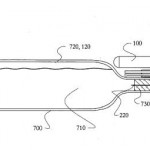
Figure 1 from US Patent 20120241476A1

In a sentence, this device was invented to aid in the dispensing and the preservation of wine. In other words, the device was designed to be able to 1) remove wine from the bottle without removing the cork; 2) allow repeated removal of wine from the bottle without damaging the cork so much that air can infiltrate and oxidize the wine; and 3) allow no air to enter into the wine during the removal process.

Why was this device invented?

It’s apparent that the device was invented in order to be able to taste wine from a bottle for a longer period of time without worry of it being oxidized or otherwise “going bad”. When you pop the cork, there is a huge influx of oxygen, which starts the rapid life-ending process for the wine. You can put the cork back inside the bottle, however, there remains a significant amount of oxygen in the bottle that will continue to cause damage to the wine until it’s too oxidized to drink and enjoy. There are many devices now that remove the oxygen from the bottle prior to re-corking, however, these devices usually get only a couple of extra days of life out of the bottle at best. Theoretically, if this device functions as the inventor said it does, then there should be no more extra air entering the bottle of wine than would had it never been touched at all, and therefore a significantly decreased risk of oxidation after dispensing the wine.

If this device works as it should in theory, I think it could be a great gadget for a variety of individuals. First, it’d be great for those that drink wine on rare occasions and don’t want to waste ¾ of a bottle that is left after their one glass. They could then milk the rest of the bottle for as long as they wanted and they could get their next glass at any point in the future and be confident that the wine will still taste good (side note: of course, this depends on the shelf life of the wine to begin with).

This device could also be great for someone who tastes a lot of wine for a living (or for fun, as is the case with many wine bloggers). Maybe you want to see how a particular wine pairs with 6 different types of food but you don’t want to have those vastly different flavors mucking up your palate by being forced to taste them all at one sitting. This device would allow you to plan many dishes over a longer period of time (and perhaps just one dish per night) and utilize the same bottle of wine without having to get multiple samples or risk having the wine change significantly after opening.

Maybe you’re curious how that very special (and very expensive) bottle of wine you have hiding under lock and key in your cellar is developing, but you don’t want to risk opening it prematurely and missing out on its’ full glory. Theoretically, with this device, you could take a little taste from the bottle without introducing any oxygen to the wine in order for you to know for sure if the wine is ready to be enjoyed now, or if it still needs to sit for some time.

How does it work?

As you can see from the figures, the device is relatively complicated, yet small enough to fit on the neck of the bottle. The device features three main components: 1) a needle; 2) a valve; and 3) a source of pressurized gas.

• Basically, the needle is inserted into the bottle between the cork and the wall of the bottle until the needle reaches completely past the cork.
• The bottle is then tilted so that the wine comes in contact with the end of the needle. At this point, you open the valve to the pressurized gas chamber, and gas enters the bottle of wine. It should be noted that this would need to be inert gas, such that no harmful chemical reactions between the gas and the wine could occur.

Figure 3D from US Patent 20120241476A1

• After there is sufficient gas inside the bottle, the valve is switched to an “off” position so that no more gas enters the bottle.
• At this point, the pressure inside the bottle has been built up, such that the wine is forced out through the needle into a collection chamber on the other end (i.e. your glass!).

Figure 3E from US Patent 20120241476A1

• Finally, once you’ve removed the amount of wine that you want, the bottle is tipped back so that the end of the needle is no longer touching the wine, and the extra gas that was pumped in is forced back out of the bottle through the needle and equilibrates to the original gas pressure level as was prior to using the device.

Figure 3F from US Patent 20120241476A1

• Once the needle is removed, the cork would simply expand back to its original position inside the bottle due to the plasticity of the material.

The inventor illustrates many variations on each of the main components of the device, and explains advantages of each variation. We could be here for days if I described them all, so I encourage you to check out the patent and read some of the more detailed descriptions of the function of the device.

As long as it’s not too complicated to use, and features automatic shut-offs and switches for the gas (to avoid someone not paying attention and blowing their wine clear across the room), I think it could be a useful device. I would not use it for daily personal consumption, as my boyfriend and I have no problems finishing a bottle of wine long before it goes bad. I would potentially use it for testing the wines that I am laying down for some time, to check their progress and to determine if I needed to open them soon or if I could let them lay for longer.

There might be some aesthetic changes that would need to be made (i.e. perhaps enclose the components so it looks more streamlined and is less likely to be damaged), as well as some sort of mechanism for protecting the user against the sharp needle.

I’d love to hear what you all this about this device. Do you think it has promise? What tweaking would you want to see done on the device before it was made available to the public? What would you name it? Please leave your comments!

Source: United States Patent Application Pub No.: US 2012/0241476 A1 http://www.freepatentsonline.com/20120241476.pdf Accessed 11/10/2012 and 12/6/2012

Wine Technology of the Future: The Self-Aerating Wine Bottle

In the past couple hundred years or so, there hasn’t been much by way of changes in the shape of the wine bottle.  There are established standards for certain types of wine, and established sizes, however, most of what you see on the shelves at the wine shop are relatively uniform (give or take a few “odd balls”).   

While randomly searching the internet for new research articles on wine, I stumbled across a new patent application (published on February 9th, 2012) for a unique type of wine bottle that, to my knowledge, has not been created before:  the “Self-Aerating Wine Bottle”.

According to the brief summary of the product, “the self-aerating wine bottle may include a body having a top and a bottom, the top having an opening through which wine is dispensed, and a plurality of aerating shapes located in proximity to the top of the body, the plurality of aerating shapes serving to create a surface area that aerates wine when the wine is dispensed from the top of the body”.

I’ve included three of the figures of the self-aerating wine bottle that were from the patent application throughout this post.

What did the inventors of the self-aerating wine bottle choose to create this device?  Well, they claim that while yes, there are many products out there that serve to aerate wine, most of which attach to the top of the bottle, these devices can be fragile and relatively expensive.  They also claim that you always need to have these devices on hand, which is often not possible, due to it being cumbersome to carry say inside a restaurant or to a friends’ house for dinner.  By incorporating the aerating mechanism inside the bottle itself, these problems are nullified. 


According to the patent, these “plurality of aerating shapes” include crescents, stars, hearts, dimples, grooves, squares, circles, ovals, polygons, diamonds, lightning bolts, and snowflakes.  Which type of shape built into the body depends upon the type of wine inside the bottle, and the size of these shapes also depends on the type of wine in the bottle (ex.: more intense shapes for the bigger reds).  These shapes inside the wine bottle effectively create more surface area which create lift and drop action in order to add oxygen into the wine, and “bring it to life”.  


According to the patent, by including this aerating mechanism into the bottle itself, it eliminates the extra step of placing an external aerator on top of the bottle, and also saves money, since one would no longer have to purchase the external aerator to begin with.  The inventors also claim that this design saves world resources, as the self-aerating bottle is now doing more and performing more functions using the same amount of raw materials.

The inventors also lay claims to how this self-aerating bottle design benefits certain types of people/entities, including the consumer, the wine brand, the retailer, and the bottle maker.  For the consumer, the self-aerating wine bottle makes the wine ready for consumption faster and is an overall added value.  Also, the unique shapes make the purchase novel and make a nice gift for someone (i.e. the heart shapes for a lover).  For the wine brand, it makes the bottle stand out on the shelf, and creates a “buzz” among consumers.    For the retailer, it gives them a unique talking point with their customers, and also because of the unique protruding shapes, it invites customers to pick up and feel the bottle (which studies have shown, once the bottle is in the customers’ hand, they are more likely to purchase it than if they did not pick it up).  Finally, for the bottle maker, the design allows them to use the same amount of glass while increasing the overall surface area inside the bottle (at no additional cost to the consumer), and increases the overall sales and product line of the company.

To my knowledge, there haven’t been any peer-reviewed scientific studies examining this novel type of wine bottle, but the patent application certainly does intrigue me.  Keep an eye out on the shelves for this type of bottle, and if you do have access to it, please report back and let us know what you think!

In case you’re curious about more of the details, here is the link to the patent (application number 20120031915).


I am not a health professional, nor do I pretend to be. Please consult your doctor before altering your alcohol consumption habits. Do not consume alcohol if you are under the age of 21. Do not drink and drive. Enjoy responsibly!