Tag Archives: wine in oak

Using Microwave Technology to Eliminate Spoilage Organisms in Oak Barrels: A Novel Approach


—————————————————————————————————-

Welcome to The Academic Wino!  If you are new here, please read the “About Me” page to find out more about myself and the blog. If you would like to receive free updates on articles like this by email, then sign up here or you can subscribe to the RSS feed. Also, check us out on TwitterFacebookGoogle+, and or Pinterest. Thanks for visiting!

—————————————————————————————————-

As many, if not all, of you reading this blog already know, the use of oak in winemaking is a very common practice for adding complexity and quality to a wine. Using oak is typically more expensive than using stainless steel tanks, as the cost of the equipment is simply much higher. As a result of this added cost of using oak barrels, winemakers will often use the same barrel for multiple vintages. Of course, using older barrels is also a style choice and not always a financial necessity, as older barrels give a more delicately oaked wine that is well desired among many wine consumers.

All that being said, using a barrel multiple times brings up the issue of having to clean it properly in order to avoid contaminating the next wine that resides inside of it. The porous structure of wood easily allows microbial and other spoilage organisms to “set up camp”, if you will, and is extremely difficult to remove via the current cleaning systems in place at wineries all over the globe. In fact, the washing process will typically only remove the larger particles and

By Maxdesbacchus (Own work) [GFDL (http://www.gnu.org/copyleft/fdl.html) or CC-BY-SA-3.0-2.5-2.0-1.0 (http://creativecommons.org/licenses/by-sa/3.0)], via Wikimedia Commons

By Maxdesbacchus (Own work) [GFDL (http://www.gnu.org/copyleft/fdl.html) or CC-BY-SA-3.0-2.5-2.0-1.0 (http://creativecommons.org/licenses/by-sa/3.0)], via Wikimedia Commons

organisms on the surface of the oak, and can easily miss those organisms that are living deeper inside the wood staves. Many organisms, such as the spoilage critters Brettanomyces, can develop into very large colonies while only starting from a very small number of cells. So, even if you think you are cleaning the barrel thoroughly, you could miss just a couple of little buggers and they’ll still propagate and thrive to spoil your next batch of wine by causing off-aromas and unpalatable sensory characteristics.

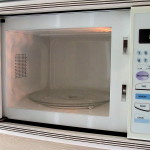
Since the current method of cleaning and sanitation of wine barrels is relatively sub-par, a method that allows for the removal of all organisms from all crevices of the barrel needs to be found. There is some research on the topic; however, none of the methods so far have been completely effective in reducing spoilage organisms in the oak barrels. The authors of the study presented today introduced the use of microwave technology in order to remove the spoilage organisms from the cracks and crevices of the oak barrel. They claim that this technology could not only potentially solve the spoilage microorganisms problem in oak barrels, but could also reduce the levels of SO2 needed in wine

By Mk2010 (Own work) [CC-BY-SA-3.0 (http://creativecommons.org/licenses/by-sa/3.0)], via Wikimedia Commons

By Mk2010 (Own work) [CC-BY-SA-3.0 (http://creativecommons.org/licenses/by-sa/3.0)], via Wikimedia Commons

since it would no longer be needed to prevent the spoilage usually caused by oak barrel contamination. They also mention that using microwave technology to kill the spoilage organisms in oak barrels would result in the lowering of water consumption and energy costs since the usual high-energy blasts of water would no longer be needed to remove the spoilage organisms.

Methods

The equipment used to sanitize the oak was based off a “pulse train generator of high frequency microwaves”. Oak was exposed to the microwaves for 3 minutes at 3000 watts. Over the three minutes, the following treatment was applied: 0-90% for 10 seconds, followed by 90% for 40 seconds, followed by 90-0% for 10 seconds, all repeated 3 times for a total of 3 minutes. The authors noted that the maximum temperature that occurred on the oak was 48oC.

The equipment used in the experiment was only large enough to treat 30cm length oak staves, though ideally the commercial product would be large enough to treat the entire barrel.

The barrels used in this experiment were: a 3 year old American oak barrel, and a 2 year old French oak barrel. Both were confirmed to be highly contaminated with spoilage organisms from previous winemaking and storage. The barrels were first washed with hot water vapor pressure and then were broken down into staves. Half of the staves were randomly assigned to the microwave treatment, while the other half were assigned to the control treatment (no microwave exposure). Treatments were performed in duplicate.

Microbial analysis was performed by collecting wood scrapings from each of the staves to a depth of 8mm.

Results

• The most prominent organism found in both microwave-treated oak staves and control oak staves was Brettanomyces bruxellenxis, representing 99.6% and 98% of the respective microbial populations.
• Even after being washed with hot water vapor pressure, the staves from both American and French staves in the control treatment had a high level of microbial contamination.
o Total cell counts found in control oak staves were: 4.16 log units of total yeasts, 3.27 log units of Brettanomyces, 2.15 log units for lactic acid bacteria, and 2.48 log units for acetic acid bacteria.
• The microwave treatment on the oak staves resulted in significantly fewer microbial population counts than the control treatment.
o Total cell counts found in the microwave-treated oak staves were: 3.24 log units of total yeasts, 2.74 log units of Brettanomyces, 0.20 log units of lactic acid bacteria, and 0 log units of acetic acid bacteria.
• The microwave treatment resulted in a 36-38% reduction in the yeast population, a 35-67% reduction in the Brettanomyces population, a 91-100% reduction in the lactic acid bacteria population, and finally a 100% reduction (i.e. total elimination) of the acetic acid bacteria population.
• The percentage of reduction of microorganisms was larger in American oak barrel staves, which the authors deduce is possibly a result of the greater porosity of French oak barrel staves allowing for greater wine infiltration and thus greater difficulty in cleaning and sanitizing the barrels.
• The microwave treatment did not affect the chemical composition and quality of the wood itself.

Conclusions

The results of this study are fascinating in that microwave treatment of oak barrel staves effectively reduces yeast populations inside the pores of the wood, and nearly eliminates the lactic and acetic acid bacterial populations. While it doesn’t completely eliminate all of the spoilage microorganisms responsible for creating off flavors and aromas in wine (i.e. Brettanomyces yeasts), it does significantly reduce them, and in certain cases remove them all together (i.e. lactic and acetic acid bacteria). According to the authors, this microwave treatment is a significant improvement over any of the current cleaning and

Photo by Bernt Rostad: http://farm4.staticflickr.com/3457/3246033875_f9556cf61b.jpg

Photo by Bernt Rostad: http://farm4.staticflickr.com/3457/3246033875_f9556cf61b.jpg

sanitizing methods for removing potential contaminants in oak barrels.

I agree with the authors when they suggested perhaps combining the microwave treatment with another method for microorganism removal, such as laser, ultrasonics, or UV radiation, all of which are currently being studied as possible methods for contaminant removal. Perhaps the combination of one or more of these methods would create a synergy that could remove significantly more of the microbial population than either one on their own. Microwave treatment appears to nearly eliminate all of the lactic acid and acetic acid bacteria in the oak barrel staves, so combining it with a method that effectively reduces the yeasts populations may result in the “perfect storm” of spoilage organism removal techniques.

Determining if a system could be created that would effectively reduce or eliminate the spoilage organism populations in whole oak barrels, and not simply oak barrel staves, is of utmost importance. Real world applications of this technique will occur in the whole barrel, so it is important to determine if this method will work in this scenario, or if the system needs to be altered or tweaked in any way, in order to remain effective in this different scenario.

The authors mentioned that the microwave treatment did not affect the chemical composition of the wood itself, but only affected the microbial population. I would like to see a sensory analysis of wine fermented and/or stored in these microwaved barrels (compared to controls) in order to confirm that, in fact, the chemical composition of the barrels did not change.

If this technique can be applied on a larger scale (i.e. at the intact whole barrel level), it could be a very good investment for the wine industry, particularly if a combination treatment is found to eliminate not only the bacteria populations but also the trouble yeasts. Not only would the winemaker not have to worry about spoilage in their wines (theoretically), but they would not have to use as much SO2 for protecting against these potential contaminants, and they would not be wasting nearly as much water on the hot water vapor pressure washing process. Good for the winemaker, good for the consumer, and good for the environment (theoretically!).

I’d love to hear what you all think! Please feel free to leave your comments!

Source: González-Arenzana, L., Santamaría, P., López, R., Garijo, P., Gutiérrez, A.R., Garde-Cerdán, T., and López-Alfaro, I. 2013. Microwave technology as a new tool to improve microbial control of oak barrels: A preliminary study. Food Control 30: 536-539.

Chestnut Wood as an Alternative to Oak Wood: Differences in Aromatic Potential

Nearly every single person reading this blog is well aware of the fact that fermenting and aging wine in oak barrels adds wood-specific sensory characteristics to the wine, which come from certain volatile chemicals in the wood interacting with the volatiles in the wine itself.  This extraction of volatile compounds from the wood to the wine also tends to decrease the astringency of the wine, as well as changes the color of the finished product.  Microscopic pores in the wood also allow for minute oxygen transfer in and out of the wine, which significantly affects the flavor and quality of the beverage.

http://tomsworkbench.com/wp-content/uploads/2010/08/Barrel.jpg

The most frequently used wood, which again a lot of you know, is oak heartwood, specific species including Quercus alba (American oak), Quercus petraea (Matt.) and Quercus roburL. (French oak) and which have all been extensively studied and dissected in the literature.  Another species of oak that has frequently been used in barrel cooperage is Quercus pyrenaica, which comes from the Iberian Peninsula in Spain.  More recently, other types of wood have been considered for barrel cooperage, including chestnut, cherry, acacia, ash, and mulberry, however, only oak and chestnut are approved by the International Enological Codex of the International Organisation of Vin and Wine for making barrels.

Historically, chestnut barrels have been used for storage and transport, due to lower costs and wide availability.  Studies have found that chestnut oak is rich in gallic acid and tannins, and have therefore has been frequently used as a source for commercial tannin agents, protection against oxidation reactions, and stabilizing color.  Studies have also found that chestnut oak has a higher concentration of low molecular weight polyphenols than oak, and those beverages that are aged in chestnut will thus exhibit higher antioxidantactivities than beverages aged in oak barrels.

One less desirable trait for chestnut barrels is that the wood has a higher porosity than oak.  As a result of this higher porosity, more oxygen can diffuse into the wine, creating a situation where oxidation may occur much more rapidly than if the wood were aged in oak barrels.  Therefore, longer aging regimes are not ideal for chestnut oak barrels, though wines aged for shorter periods of time may do well in these barrels.

To date, few studies have examined in great detail the composition of volatile compounds in chestnut barrels and how this may affect quality of the wine that is aged in them.  The aim of the study present today was to study the composition of volatile compounds of chestnut wood, examine its chemical profile, and evaluation the aroma potential based on the presence of certain volatiles.

Methods

This study compared three oak species from the northwest area of the Iberian Peninsula in Spain; Q. robur L., Q. petraea Matts Liebl., and Q. pyrenaica; one oak species from the United States (Nashville, Tennessee); Q. alba; and chestnut wood from Lugo in northwest Spain; Castanea sativa Mill.

Disks were obtained from each tree from a distance of 1.3m from the base of the trunk. 20x20x40mm samples were taken from each disk for processing.  These wood samples were dried and then ground using a mechanical mill and sieved, to create a homogenous sawdust sample for analysis.

Volatile compounds were isolated and analyzed using gas chromatography and mass spectrometry analysis.

Results

  • There was great variability in the levels of different volatile compounds in all of the wood species, which are explained by natural variations caused by geographical location and individual tree effects.  Even though there was great variability, there were still significant differences with some compounds.

           Furanic Compounds:

  •       The same furanic compounds were found in all wood samples.
  •       The most common furanic compounds were furfural, 5-hydroxymethylfurfural and 5-methyfurfural.

o   Sensory characteristics of these compounds: caramel, toasted notes, honeyed notes.

  •       There were no significant differences between any of the wood species for the following compounds: furandicarboxyaldehyde and 2-furanmethanol.
  •        There were no significant differences between chestnut and the other oak species with any furanic compounds except Q. robur, which showed the highest levels of furfural, 1-(2-furanyl) ethanone, 5-methylfurfural and 5-hydroxymethlyfurfural.
  •       Chestnut samples contained intermediate levels of furanic compounds compared to the other oak species.
  •       Q. pyrenaica and Q. alba species showed the lowest levels of furanic compounds.

Lactones:

  •       There was an absence of β-methyl-γ-octalactone in chestnut samples.

o   Sensory characteristic of this compound: intense coconut and wood.

  •       There were significant difference in lactone levels in Q. alba and Q. pyrenaica when compared with Q. petraea and Q. robur.

o   Q. alba(American oak) had higher levels of β-methyl-γ-octalactone.

o   Some samples of Q. pyrenaica had high levels of β-methyl-γ-octalactone.

Terpenic compounds:

  •       Sensory characteristics: floral, fruity, tea, tobacco
  •       3-oxo-α-ionol and vomifoliol were not detected in chestnut samples.
  •       Only α-terpineol and methyl dihydrojasmonate were detected in chestnut samples, at intermediate concentrations compared to the oak species.
  •       Q. pyrenaica had the highest concentrations of terpenic and nonisoprenoid compounds, with very high levels of α-terpineol and methyl dihydrojasmonate.

             Aliphatic aldehydes:

  •       Nonanal and trans-2-nonenal, decanal, and 2,4-nonadienal were present in all wood samples.

o   Sensory characteristics: sawdust, vegetal, cardboard.

  •       There were no statistical differences between chestnut and the oak species; however, there were high levels of these compounds found in Q. robur.
  •       The flavors associated with these compounds can be reduced or removed in the toasting process.

Volatile phenols:

  •       Chestnut had the highest concentrations of guaiacol, methyl guaiacol, and propylguaicol.
  •       Vinylguaiacol levels were not significantly different between chestnut and any of the oak species.
  •        High levels of syringol and allyl syringol were found in chestnut samples, however, propenyl syringol was not found.
  •       Significant levels of eugenol, methoxyeugenol, and isoeugenol. 

o   Isoeugenol levels were significantly higher than any other of the oak species.

o   Sensory characteristics: spicy, intensely woody.

  •       Eugenol levels were highest in American oak, though they were not statistically higher than any other sample, except Q. petraea which had eugenol levels significantly lower than Q. alba.

o   There is no clear relationship between eugenol levels and wood species.

Other results:

  •       Overall, when comparing chestnut wood with other oak species used in barrel cooperage, it was found that chestnut wood has high levels of volatile phenols that are similar to most other oak species. 
  •       Many phenolic aldehydes were also found in all species, the most abundant being vanillin, which is indicative of a vanilla flavor/aroma in the finished wine. 
  •       The phenolic aldehyde profile of chestnut was very similar to all other oak species. 
  •        Significantly higher levels of vanillin, acetovanillone, butriovanillone, vanillyl ethyl ether and methyl homovanillate were found in chestnut samples.

o   Vanillin levels in chestnut were most similar to vanillin levels in the oak species Q. alba (American oak).

  •       Vitamin E was the only triterpenic compound that was significantly different in any of the wood species, with Q. alba containing the highest levels of the compound.

Can you identify the type of wood based on its chemical profile?

  •       After linear discrimination analysis, it was found that one can distinguish between different wood species based on some volatile compounds, including α-terpienol, decanal, 5-hydroxymethylfurfural, cis-β-methyl-γ-octalaone, vanillin, isoeugenol, acetovanillone, and coniferyl alcohol.

o   This mathematical model represented 100% of the total dispersion.

  •       Using this mathematical model, 93.5% of the samples were properly identified solely based on their compositions of the above compounds.


Figure 1 from Alanon et al, 2012.

Summary

Based on the chemical analysis of this study, it appears as though Chestnut is a perfectly acceptable source for wood in barrel cooperage for wine, as it displays similar flavor profiles to many other oak species already used in cooperage.  The sensory attributes of wine aged in chestnut barrels won’t be exactly the same as wine aged in oak barrels, however, since levels of all volatile phenols and other compounds aren’t exactly the same.  Slight differences in the concentrations of certain compounds are enough so that the sensory characteristics of wine aged in chestnut barrels will be different than wine aged in oak barrels.

Even though the volatile and chemical composition of chestnut wood is similar enough to oak to provide a good alternative for barrel cooperage, it should be reminded that because the micropore size in chestnut wood is larger than oak species, oxygen will diffuse into the aging wine faster than it would in an oak barrel, thus allowing for possibly higher rates of oxidation.  This is one aspect that wasn’t examined in this study, but only referenced.  It should be noted that even while chestnut is a good alternative to oak in regards to the sensory characteristics of the finished wine, it should be noted that aging for extended periods of time may not be recommended due to higher risk of damaging oxidation.  For those seeking an alternative to oak barrels and who are only interested in short-term barrel storage, it appears that chestnut may be the right answer.

One final result that I thought was particularly fascinating was the result from the linear/canonical discriminatory analysis.  Based on a selected number of compounds, the authors were able to correctly determine the wood species in nearly all of the samples (93.5% of them, anyway).  This result only received a small mention in the paper, and I think it would be interesting to see a more detailed study.  According to the authors, future studies examining the consequences of the differences in chemical compounds and their sensory qualities in wine are on the way.

What do you all think of this study? Love it? Hate it? What would you like to see done differently? I’d love to hear what you think!  Please feel free to comment below.

Source: Alañón, M.E., Castro-Vázquez, L., Díaz-Maroto, M.C., Pérez-Coello, M.S. 2012. Aromatic potential of Castanea sativa Mill. compared to Quercus species to be used in cooperage. Food Chemistry 130: 875-881.

DOI: 10.1016/j.foodchem.2011.07.111
I am not a health professional, nor do I pretend to be. Please consult your doctor before altering your alcohol consumption habits. Do not consume alcohol if you are under the age of 21. Do not drink and drive. Enjoy responsibly!

Using Fungi-Treated Oak Chips to Increase the Extraction of Oak Character into Aging Wines

As a result of the relatively high cost of oak barrels, winemakers have been searching for a comparable alternative at a fraction of the cost.  Oak chips, while somewhat taboo in their earlier days, are gaining favor among winemakers as being a good alternative to the traditional oak barrel.  In blind taste tests, consumers showed no preference for wine aged in oak barrels versus wine aged with oak chips.  For the details of that particular study, click here to read a past review by The Academic Wino.

http://www.dehs.umn.edu/images/purpurogenum_cya6.jpg

Producing staves for barrel or oak chips is not a fast process.  One of the lengthiest steps is the outdoor seasoning process, which takes anywhere from 24 to 36 months.  It is during this time that the wood undergoes many biochemical transformations of biopolymers and other compounds by fungi and bacteria.  Studies have found the fungi population present during this seasoning process consists of Aureobasidium pullulans (83%), Trichoderma harzianum, and Trichoderma konigii (the latter two making up 15% of the population).  These fungi function to hydrolyze wood heterosides (including ellagitannins, coumarins, and polysaccharides) which result in a decrease in bitterness and astringency.

Over the 24-36 month seasoning time, the fungal community changes.  Over this time, fungi belonging to the genera Penicillum, Geomyces, and Geotrichum, with the species Penicillum purpurogenum the most represented.  In the internal layers of the staves, studies have found that the species Candida sp., Paecilomyces variotii, and Phialemonium sp. were the most represented molds.

Some scientists have hypothesized that by inoculating oak staves with certain fungi, they may be able to better control the metabolic reactions and therefore which wood compounds are hydrolyzed.  This could potentially lead to new seasoning places and greater customization of the desired flavors in the wine that is aged in a particular barrel or with particular oak chips.  Some studies have reported that by inoculating oak staves with fungi have increased the seasoning rate, thereby dropping the wait time for a finished staves or oak chips from 12-36 months to just one month.

The goal of the paper reviewed today, which was published last year, was to treat oak chips with certain combinations of fungi in order to potentially improve the impact of oak chips in red wine maceration, and to obtain effects comparable to wine aged in oak barrels.

Methods

The following fungi were used in this experiment:  Ph. chrysosporium Burds. (MUT 2660), P. purpurogenum Stoll (MUT 3316), A. pullulans (de Bary) G. Arnaud (MUT 3237), and Phi. obovatum W. Gams & McGinnis (MUT 2702).  The fungi used were all non-mycotoxinogenic.  After an incubation period, an agar plug (8mm in diameter from along the edge of an actively growing colony) of each fungus was used to prepare and inoculate the oak chips.  Each preparation used a different combination of fungi and growth medium.

Oak chips were toasted at a low degree and were of medium size.  A 3mL aliquot of fungi and growth medium preparations was added to a flask containing 4g of oak chips and either 12mL of laboratory medium or 12mL of saline solution.  Oak chips were sterilized either with the laboratory medium or the saline solution.

These cultures were incubated for 12 weeks in the dark under static conditions at temperatures optimized for each type of fungus.  In addition to each fungus by itself, a combination of A. pullulans and Ph. chrysosporium was studied.  For this combination, oak chips were first inoculated with A. pullulans for 6 weeks, then sterilized, then inoculated with Ph. chrysosporium for another 6 weeks.

Following the incubation period, oak chips were removed and brushed off to remove visible pieces of debris.  The chips were then used for aging of red wine using traditional winemaking processes.  The two grape varieties used were Montepulciano d’Abruzzo (70%) and Merlot (30%) from the 2006 vintage and originating from vineyards in San Severo, Apuila (southern Italy).  Artificial aging was done by placing 1g of oak chips in 500mL bottles containing the wine and storing them in a 20oC room (82% relatively humidity) for 17 days.

The following volatiles were measured and analyzed: furfural, furfuryl alcohol, guaiacol, syringol, cis-β-methyl-γ-octalactone, 2-phenylethanol, 4-vinylguaiacol, benzyl alcohol, 2,3-butanediol, γ-butyrolactone, benzylaldehyde, and 4-ethylguaiacol.  Gallic acid and ellagic acid were also analyzed.

Sensory Notes: 

  •        Furfural, furfuryl alcohol, guaiacol, syringol, cis-β-methyl-γ-octalactone are frequently present in wine after oak aging. 
  •       2-phenylethanol and 4-vinylguaiacol are known fermentation products, and have been shown to increase after oak aging.  
  •       4-ethylguaiacol is associated with Brettanomyces or Dekkera infections, and is associated with characteristic flavors such as “bacon” or “smoked”.  
  •       Cis-β-methyl-γ-octalactone is associated with oaky characteristics such as coconut and vanilla.
  •       Furfural contributes to characters such as “dried fruits” and “burned almonds”.  Studies have shown it does not play an important role in the aroma of wine, though it may strengthen the aroma of lactones.
  •       Guaiacol contributes to “burnt” overtones in wine aroma.
  •       Syringol is an indicator of the relative toast of the oak wood.  Compared to guaiacol, it has a weak odor and relatively little impact on the flavor of the wine.
  •       Benyzlaldehyde is associated with a “bitter almond” aroma.
  •       2,3-butanediol is odorless, though still contributes to the sweet taste of a wine.

Results

  •       Cis-β-methyl-γ-octalactone was present in all wine samples.
  •       The presence and concentrations of specific volatile compounds and phenols were influenced by the type of fungus and medium used for the particular oak chip treatment.

Furfural

  •       Concentrations of furfural were significantly affected by Ph. chrysosporium and P. purpurogenum by increasing in both laboratory medium and saline solution treatment.  Perception threshold was not reached.
  •       There were no significant changes with any other treatment.
  •       Furfural appears to be the most susceptible oak wood volatile compound to microbial transformations.

Guaiacol

  •       Fungal treatment of the oak chips resulted in a significant increase in the concentration of guaiacol.

o   For the saline solution, this increase was found in the treatments inoculated with P. purpurogenum, A. pullulans, and Phi. obovatum.

o   For the laboratory medium, this increase was found in the treatments inoculated with P. purpurogenum and A. pullulans.

o   For treatments with A. pullulans, guaiacol was above the perception threshold.

Syringol

  •       For the saline solution, there was an increase of syringol concentrations with the treatments inoculated with P. purpurogenum.
  •       For the laboratory medium, higher levels (above perception threshold) of syringol were found in the treatments inoculated with P. purpurogenum and A. pullulans.

Benzylaldehyde

  •       For the saline solution, fungal treatment decreased the concentrations of benzylaldehyde (except the treatment with Ph. chrysosporium).
  •        For the laboratory medium, there was a significant increase in benzylaldehyde concentrations.

2,3-Butanediol

  •       For both the saline solution and laboratory medium, there was a decrease in 2,3-butanediol levels in all fungal treatments except samples treated with A. pullulans.

Ellagic and Gallic Acids

  •       Ellagic acid and gallic acid were metabolized by the fungi, with the exception of wines treated with P. purpurogenum in the laboratory medium.

What do these results means?

The results of this study show that the fungal treatment of the oak chips significantly affected the chemical profile of the wine.  Based on principle components statistical analysis, the results showed two distinct groups that affected wines in specific ways.  Oak chips treated with Phi. obovatum, A. pullulans, and the combination of A. pullulans and Ph. chrysosporium (“Group A”) affected the chemical profile of wines in one particular way, and oak chips treated with P. purpurogenum and Ph. chrysosporium affected the chemical profile of wines in another way (“Group B”).

Group A treated wines showed increases in guaiacol and syringol concentrations, whereas Group B treated wines showed increases in furfural and benzylaldehyde concentrations.

Even though the effect of the fungi were variable depending upon what kind of medium was used for the chips (laboratory medium versus saline solution), Group B treated wines showed increases in furfural and benzylaldehyde regardless of the medium the chips were treated with.

Based on these results, the authors claim that the microfungal treatment of oak chips increases the concentrations of some volatile components in red wine during aging.  It may be possible, that with fungal treatment of oak chips for the aging of red wines, to tailor the flavors and aromas to those desired for a particular style of finished wine.  If the goal is to have a wine with greater “toasty” character, the use of fungi from Group A may be useful.  If the goal is to have a wine with more “dried fruit” or “almond” character, then a fungi of Group B may be better.

Of course, this research is in its infancy, and more work would need to be done, particularly in regard to examining the biology and enzymatic profile of the fungi, and any potential positive or negative health consequences of using it in the aging of wines.

I’d love to hear what you all think of the use of fungi in extracting more oak character from oak chips in the aging of wine.  Please feel free to leave your comments below!

Source:  Petruzzi, L., Bevilacqua, A., Ciccarone, C., Gambacorta, G., Irlante, G., Pati, S., and Sinigaglia, M. 2010. Use of microfungi in the treatment of oak chips: possible effects on wine. Journal of the Science of Food and Agriculture 90: 2617-2626.

DOI: 10.1002/jsfa.4130
I am not a health professional, nor do I pretend to be. Please consult your doctor before altering your alcohol consumption habits. Do not consume alcohol if you are under the age of 21. Do not drink and drive. Enjoy responsibly!

Antioxidant Capacity of Different Woods: Which Barrels Produce the Healthiest Wines?

Earlier in October, The Academic Wino reported on a study investigating the influence of toasting on the antioxidant capacity and phenolic composition of oak-aged wines (click here for that article).  The main finding of that research was that model wines aged in non-toasted oak contained significantly higher antioxidant and total phenol levels than model wines aged in oak barrels that had been toasted.  One question I posed at end of the article was whether different types of oak possessed similar antioxidant capacities, or if the levels of antioxidant varied depending upon the origin of the wood, and the species of plant used to create the oak barrels.  The same authors that penned the previous article have since followed-up with a new study answering that very question I posed.

http://www.woodcomponents.ie/images/oak_european_tree.jpg

Many alcoholic beverages are aged in oak barrels in order to change and improve the sensory characteristics of the finished product.  At least three mechanisms occur to change these characteristics, including aromatic complexity, changes in phenolic compounds to improve taste, and mild oxidation to change the astringency and color in the finished product.  The extent to which flavors and aromas are extracted from the wood depend on the initial concentrations in the wood itself, the type of wood used, and the chemical composition of the wood.

The most traditional and frequently used wood for alcohol aging are the oak species Quercus alba (“American oak”), Quercus robur L. (“pedunculate oak”; a European species), and Quercus petraea Liebl (“sessile oak”; a European species).  One up and coming species of oak for use in alcohol aging is Quercus pyrenaica Willd, which is a species grown in the Iberian Peninsula in Spain.  When comparing the American oak species to the European oak species, there appears to be a greater difference in chemical composition, then if one were to compare just the European species to each other.

Aging alcoholic beverages in wood barrels not only changes their sensory characteristics, but also changes their antioxidant capacity.  Some beverages (i.e. cognac, whiskey, brandies, etc) have been found to show increased antioxidant capacities when aged in wood barrels for longer periods of time.  This increased antioxidant capacity is due to the increase in total phenol levels of the beverage over time.  From these observations, one can hypothesize that the type and concentrations of polyphenols in differ types of wood will determine the antioxidant capacity of the finished beverage after aging.

The current study, which is a follow-up of the previous study performed by the same authors, aimed to study the antioxidant capacity available for extraction from a range of wood species commonly used in cooperage.

Methods

The species examined in this study were chestnut (Castanea sativa), cherry (Prunus avium), and oak (Q. alba, Q. petraea, Q. robur, and Q. pyrenaica). Q. petraea, Q. robur, and Q. pyrenaica were sampled from several forests in northwest Spain (oceanic with mild temperatures and high precipitation).  Q. alba was sampled from the Appalachian region of the United States, near Nashville, Tennessee.  All other wood samples were collected from the forest of Lugo (northwest Spain). 

For each tree sampled (four per species), discs of wood were collected from a height of 1.3 meters from the base.  From each of these discs, heartwood samples measuring 20x20x40mm were obtained.  These heartwood samples were then dried, ground with a mechanical mill, and sieved to obtain a homogenous sample of sawdust.

Total phenol content was measured according to the Folin-Ciocalteau procedure and the resulting absorbance measured using a UV-visible spectrophotometer.  Antioxidant capacity was measured using several procedures, since there is no one procedure of yet that all investigators use consistently (ABTS assay, FRAP assay, and the ORAC assay).  Individual phenolic compounds were analyzed using HPLC protocols.

Results

  •        The species of wood had an influence on antioxidant capacity.

o   The lowest antioxidant capacity levels and total phenol levels were found in cherry wood.

o   American oak (Q. alba) and two European oaks (Q. pyrenaica and Q. petraea) contained intermediate levels of antioxidants and total phenols.

o   The highest antioxidant capacity levels and total phenol levels were found in chestnut and one European oak (Q. robur).

§  There were significant differences in antioxidant capacity levels of Q. robur compared to all other species except chestnut using the FRAP and ORAC assays, however, when using the ABTS assay, there were no significant differences between the three European oaks and the chestnut.

  •       Correlation analysis of the three assay methods indicated that there was a high correlation between them, meaning that all three assays provided comparable values when estimating the antioxidant capacity of wood.
  •        Correlation analysis showed that antioxidant capacity and total phenol content were highly positively correlated with one another, indicating that phenols are primarily responsible for the antioxidant capacity of the wood.

Phenolic Composition

  •       Oak wood contained more ellagic acid than chestnut wood.
  •       Chestnut wood contained more gallic acid than oak wood.

o   This pattern did not hold for Q. robur, which had similar gallic acid levels as chestnut.

  •       Cherry wood contained the lowest levels of ellagic acid.
  •       Q. robur and Q. petraea contained the highest levels of protocatechuic acid and vanillic acid.
  •       Chestnut contained the highest levels of 4-hydroxybenzoic acid and p-coumaric acid.
  •       Q. petraea contained the highest levels of sinapic acid and syringic acid.
  •       Ferulic and caffeic acids were present in all woods, though in very low amounts.
  •       Cherry wood contained high levels of protocatechuic aldehyde, and coniferaldehyde.
  •       Q. petraea contained high levels of syringaldehyde and sinapaldehyde.
  •        There were considerable amounts of scopoletin in the oak species and chestnut, but was not detected in the cherry wood samples.
  •        Ellagitannin content was significantly different among species.

o   The most significant was the low ellagitannin content in the cherry wood samples.  Small concentrations of vescalagin and castalagin were detected while roburins and grandinin were not detected.

o   All oak species and chestnut contained high concentrations of ellagitannins.

  •        The ellagitannin monomers of grandinin, vescalagin, roburin E and castalagin were found at their highest concentrations in the oak and chestnut samples.

o   Castalagin was the primary monomer found in the oak samples.

o   Vescalagin was the primary monomer found in the chestnut samples.

o   Q. alba contained the lowest ellagitannin content.

o   Q. robur contained the highest ellagitannin content.

  •       Q. robur contained the highest concentration of roburin AD and grandinin, followed by Q. pyrenaica and Q. petraea.
  •       Chestnut contained the highest concentration of vescalagin, roburin E, and castalagin.

Correlations between antioxidant content and phenolic composition

  •       Strong correlations were found between antioxidant capacity and gallic, protocatechuic, ellagic, vanillic, and p-coumaric acid concentrations for low-molecular weight phenols.

o   These compounds greatly contribute to the antioxidant power of the wood species.

o   Higher antioxidant capacities could very well be due to the relatively high concentrations of phenols in the wood.

o   Certain phenolic compounds do not play a role in the antioxidant capacity of the wood (protocatechuic aldehyde, vanillin, and siringaldehyde).

  •       Strong correlations were found between radical-scavenging capacity measurements and the concentrations of ellagitannins, which suggest that high-molecular weight polyphenols play an important role in the antioxidant capacity of woods.

Conclusions

The results of this study were straight forward and clear.  To put it simply, the species of wood used in cooperage for winemaking or any other alcoholic beverage aging has a significant influence on the antioxidant capacity of that wood.  These differences were due to specific polyphenol content differences between the different wood species.  If a winemaker is strictly looking to maximize the antioxidant capacity of the finished wine, they may opt to select a type of wood that is higher in specific phenol concentrations and overall antioxidant capacity, such as chestnut or the European oak Q. robur. 

Of course, using different types of wood for aging will also change the sensory characteristics of the wine, so a lot needs to be considered before choosing a particular species.  If the overall goal is to create a wine with specific sensory characteristics, then this type of analysis may not be particularly important.  However, if one is designing a wine to be “healthier”, by containing higher levels of phenols and antioxidant capacity, then studies like these are of utmost importance. 

Since different grapes contain significantly different antioxidant and phenol levels, determination of which variety to use is very important.  After that decision has been made, then studies like this that explore antioxidant capacities of different types of wood are very important in maximizing the total potential antioxidant capacity of the finished wine. 

This study was a great next step in this line of research.  Next, I’d like to see a study age model wines in different types of wood (using different varieties of grapes) while measuring the antioxidant capacity and phenol content of the finished wine and potentially correlating that to the antioxidant capacity and phenol content of the wood itself. 

I’d love to hear what you all think!  Please feel free to comment below!

Source: Alañón, M.E., Castro-Vázquez, L., Díaz-Maroto, M.C., Hermosn-Gutiérrez, I., Gordon, M.H., and Pérez-Coello, M.S. 2011. Antioxidant capacity and phenolic composition of different woods used in cooperage. Food Chemistry 129: 1584-1590.

DOI: 10.1016/j.foodchem.2011.06.013

I am not a health professional, nor do I pretend to be. Please consult your doctor before altering your alcohol consumption habits. Do not consume alcohol if you are under the age of 21. Do not drink and drive. Enjoy responsibly!
