Tag Archives: wine making

Partially Fermenting Sun-Dried Tempranillo Grapes Produce a Sweet Wine with Greater Complexity than Traditional Approaches


Sweet wines, or what many in America refer to as “dessert wines” even though they pair well with more than just dessert, are made in many different styles and in many corners of the world.  From Canadian ice wine to French Sauternes, these wines are created by employing more complex methods prior to and sometimes during fermentation that make them stand out and differ from your typical red or white table wine.  Of course, there are some less-than-quality ways of making sweet wine, which simply involve adding sugar back to the wine after

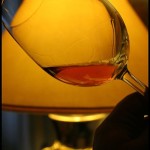
By seligmanwaite [CC-BY-2.0 (http://creativecommons.org/licenses/by/2.0)], via Wikimedia Commons

By seligmanwaite [CC-BY-2.0 (http://creativecommons.org/licenses/by/2.0)], via Wikimedia Commons

fermentation is complete, however, for the purpose of today’s post, we are only talking about high quality sweet wines, the sweetness by which is a function of the natural sugar in the grapes/wine rather than added after the fact.

For nearly all sweet wines, sugar levels inside the grape are much higher than typical red or white grapes destined for table wines, which occurs by several different mechanisms.  For Sauterne wines from France and Tokay wines from Hungary, the grapes are left to be infected by the fungus Botrytis cinerea, which while in these sweet dessert wines is preferred, it is actively combated against for table wines.  Other sweet wines are created by allowing grapes to remain on the vine for a lengthened period of time or by dehydrating them in the open air.  Finally, ice wines (eiswein) are created by freezing the grapes, which effectively freeze the water inside the grape but not the sugar, so that the only thing that gets pressed out of the grape is juice that is highly concentrated in sugar.

When grapes undergo the dehydration process, they are often laid out onto mesh mats (or something similar) and allowed to dry for 7 to 10 days, or however long it takes to reach around or higher than 45oBrix (450g/L sugar).

This increased level of sugar in the grapes can be problematic during the fermentation process, as many yeasts are not equip to function in high concentrations of sugar, resulting in incomplete or stuck fermentations or other fermentation problems.  To combat this problem, some regions (particularly the Montilla-Moriles region of Spain) practice a fortification method, by adding 8% v/v ethanol to the must in order to achieve the appropriate levels of alcohol in the wine without having to undergo fermentation.

In these situations where ethanol is added to kill the yeasts and avoid fermentation all together, the wine takes on the characteristics of the grapes themselves.  However, with fermented wines, the wine takes on the characteristics not only of the grapes, but also of the interaction of the grapes and the yeasts, adding more complexity to the wine than if it remained unfermented and fortified with ethanol.  Wines that are made from dried grapes that don’t undergo fermentation also sometimes have problems with appropriate acid levels in order to achieve a satisfactory acid-sugar balance in the finished wine.

Photo credit: I, Tomas er [GFDL (http://www.gnu.org/copyleft/fdl.html), CC-BY-SA-3.0 (http://creativecommons.org/licenses/by-sa/3.0/) or FAL], via Wikimedia Commons

Photo credit: I, Tomas er [GFDL (http://www.gnu.org/copyleft/fdl.html), CC-BY-SA-3.0 (http://creativecommons.org/licenses/by-sa/3.0/) or FAL], via Wikimedia Commons

In order to solve the fermentation problems that are created when using dried grapes with high levels of sugar, the study presented today aimed to examine the fermentation of the musts made from these grapes using yeasts that are capable of withstanding the high sugar levels and to determine the contribution of these yeasts to the volatile and aromatic composition of the finished wines.  Today’s study also aimed to determine if using these “specialized yeasts” create higher quality wines than wines created from the traditional fortification methods.

Methods

The grapes used in this experiment were Tempranillo from the Montilla-Moriles region of Spain.  Grapes were harvested around 25oBrix (250g/L) and sun dried until the grapes reached about 45oBrix (450g/L).  After pressing, must was split into 8 different batches of 1.5L each for treatment.

Treatments:

  • The first two batches were treated with Saccharomyces cerevisiae yeast of the strain CECT 13014.
  • The second two batches were treated with S. cerevisiae yeast of the strain CECT 13015.
    • Both of these S. cerevisiae yeast strains are known to be tolerant of high sugar levels during fermentation.
  • The next two batches were treated with native yeasts that are known to undergo spontaneous fermentations.
  • The last two batches were treated using the traditional approach of fortification with 12% v/v ethanol.

Partial fermentation took place in 2L flasks at 22oC until alcohol levels in each treatment was 8 % v/v.  Once this alcohol level was achieved, all fermentations were stopped by adding 12% v/v of ethanol.

Volatile compounds were measured in all treatments using GC-MS.  Odor activity values (OAVs) of these compounds were also calculated (a value over 1 indicates it contributes to the aroma of the wine)

Sensory analysis of each wine was performed by a panel of 15 “expert tasters”.  There were no other details given in the paper in regards to how the analysis was performed, and what qualified the panelists “expert tasters”.

Results

  • The most influential volatile compounds in the traditional wine (i.e. wine fortified with ethanol and no fermentation) were:
    • Acetoin, 2,3-butanedione, pantolactone, guaiacol, acetaldehyde, ethyl acetate, and 4-valerolactone.
  • The most influential volatile compounds in wines treated with natural yeasts were:
    • Guaiacol, butyrolactone, and pantolactone.
  • The most influential volatile compounds in wines treated with S. cerevisiae strain CECT 13014 were:
    • Acetoin, 2-phenylethanol, propanoic acid, ethyl hexanoate, isoamyl acetate, acetaldehyde, ethyl acetate, and 4-valerolactone.
  • The most influential volatile compounds in wines treated with S. cerevisiae strain CECT 13015 were:
    • Propanoic acid, 2-phenylethanol, ethyl hexanoate, butryolactone, and 4-valerolactone.
  • The aromas of chemical, ripe fruit, milky, and toast were present in all wines.
    • Those wines partially fermented with S. cerevisiae strains were higher in these aromas, in addition to green fruit aromas, than the other wines.
    • Milky aromas were lower in traditionally made wines.
  • Wines made from the two strains of S. cerevisiae were very similar to one another.
    • Wines made from native yeasts were similar to wines made from S. cerevisiae treated wines.
    • Traditionally made wines (i.e. fortified with ethanol and no fermentation) were very different from the wines treated with yeasts and that underwent partial fermentation.

Sensory Analysis

  • Sensory analysis indicated that the traditionally made wines scored worse than all other wines.
    • The order of acceptance of the four wines was the following:
      • Traditional Wines < Wines treated with native yeasts < Wines treated with S. cerevisiae strain CECT 13015 < Wines treated with S. cerevisiae strain CECT 13014.
  • The highest scoring wine in the sensory analysis was the wine treated with S. cerevisiae strain CECT 13014.
    • This was the only wine deemed “desirable”, while all other wines were deemed “acceptable”.

Conclusions

The results of this study showed that by partially fermenting sun-dried Tempranillo grapes with S. cerevisiae strains that have the ability to function under high sugar levels during fermentation, finished wines were more complex and more desirable in terms of sensory characteristics than wines made in the traditional fashion.  As a result of these findings, the researchers claimed that partially fermenting sun-dried Tempranillo grapes with the appropriate strain of yeast is an effective alternative to the traditional approach.

Overall, this was a straightforward study that provided interesting and potentially useful and applicable results for the wine industry.  I would have

By Ludo (originally posted to Flickr as Marsala.secco.) [CC-BY-2.0 (http://creativecommons.org/licenses/by/2.0)], via Wikimedia Commons

By Ludo (originally posted to Flickr as Marsala.secco.) [CC-BY-2.0 (http://creativecommons.org/licenses/by/2.0)], via Wikimedia Commons

liked to have seen the experiment carried out in larger vessels, particularly vessels that are similar to those tanks and barrels used it the wine industry, instead of using small 2 liter flasks.  It’s possible that increasing the volume could change the outcome, though I wouldn’t be surprised if we saw the same results in the larger vessels as well did with the small.

I would love to hear what you all think about this study. Please feel free to leave you comments!

Source: López de Lerma, N., García Martínez, T., Moreno, J., Mauricio, J., and Peinado, R. 2012. Sweet wines with great aromatic complexity obtained by partial fermentation of must from Tempranillo dried grapes. European Food Research and Technology 234: 695-701.

The Influence of Oak Chips on Aromatic Quality of Wine

The use of oak in wine fermentation and aging is a very common practice that has an overall positive influence on the flavor and aroma of wine, as well as its complexity and overall quality.  Specifically, oak transfers many volatile and phenolic compounds into the wine, which individually and as a whole contributes to its complexity.  Aging in oak barrels also adds an additional level of complexity as due to the porous nature of the vessel; oxygen is able to slowly infiltrate the wine resulting in a reduction in astringency, stabilization of color, and reduction in certain aromatic characteristics.

Though fermentation and aging in oak barrels is desirable for many wineries, sometimes it is just not feasible due to many factors including financial

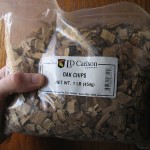
Photo by Bernt Rostad: http://farm4.staticflickr.com/3457/3246033875_f9556cf61b.jpg

constraints (oak barrels can be very expensive compared to stainless steel tanks), space limitations, or the need to purchase new barrels on a relatively frequent basis compared to stainless steel tanks in order to achieve the desired effect on the finished wine.  These issues present the need to utilize less expensive alternatives; specifically, oak chips.  Oak chips may be added to wine fermenting in stainless steel tanks, and have been found to impart similar characteristics into the finished wine as an oak barrel.

There are many factors that influence which volatile compounds are extracted from oak into wine, and how much of each compound is extracted, including (but not limited to) the length of time the wine is in contact with the oak, the geographic origin of the wood, the wood seasoning, and the toasting of the wood.  The type of wine (i.e., varietal or blend) can also have a major influence on the volatile extraction of the oak wood.  Volatiles most commonly extracted from oak wood that have a significant impact on wine aroma, flavor, and quality are: lactones, volatile phenols, and phenolic aldehydes.

In regards to the specific volatiles from oak that influence wine aroma and flavor, the following are most commonly found:

  • Furfurals (dried fruits)
  • Guaiacol (burnt tones)
  • Whisky lactone (woody and coconut)
  • Eugenol (cloves, smoke, spice)
  • 4-ethylphenol (barnyard, bandaid, mousy – Brettanomyces)
  • 4-ethylguaiacol (cloves, smoke, spice, etc)
  • Vanillin (vanilla tones)
  • Syringaldehyde (vanilla)

Photo by inspector_81: http://farm6.staticflickr.com/5165/5218552773_478a515be5.jpg

The goal of the study presented today was to examine the differences (if any) in volatile aromatic compounds of wine after using oak chips from different origins and under different toasting conditions.


Methods

Four wines were used in this experiment:

1) varietal Cabernet Sauvignon

2) varietal Blaufränkisch

3) red blend

4) white blend

Oak chips used in this experiment were:

1)      American oak

  • Medium toasting
  • High toasting

2)      German oak

  • No toasting
  • Medium toasting
  • Premium toasting

3)      French oak

  • Medium toasting
  • Medium-plus toasting
  • High toasting

Nine 1-liter glass bottles of each wine closed with crown cork were the vessels used in this experiment.  One of the bottles served as the no oak control, while the other 8 contained 1g/dm3 of each type of oak chip.  Oak chips were kept in the bottles for 30 days in the dark at 4oC. Bottles were shaken (not stirred….ha ha) twice a week to aid in the oak volatile extraction.

Volatile compounds were measured and analyzed using GC-MS techniques.

Results

Furfurals

  • Furfural concentrations varied the greatest out of all of the volatiles found in oak chip treated wines.
    • Furfural and 5-methylfurfural concentrations increased in all oak chip-treated wines.
    • The highest increase of furfural was detected in red wine samples treated with French oak chips with high levels of toasting.
    • The highest increase of 5-methylfurfural was found in wines treated with American oak chips under medium toasting, and French oak chips under high toasting.
    • The smallest increase and/or decrease in furfurals was found in wine samples treated with untoasted German oak chips.

Lactones

  • Trans-whiskeylactone increased in all wine samples treated with oak chips.
    • Cis-whiskeylactone levels were too small for statistical analysis.
    • The highest increase of trans-whiskeylactone was found in wines treated with medium toasted American oak chips.
    • The lowest increases of whiskeylactones were found in wine samples treated with high or premium toasted oak chips.

Eugenol

  • Levels of eugenol increased in all wines treated with oak chips with the exception of Cabernet Sauvignon.
    • Cabernet Sauvignon wines treated with untoasted and premium toasted German oak chips saw decreases in eugenol levels.
    • Eugenol increased in wines made from American oak chips with medium toast.
  • Trans-isoeugenol levels were highest in blended wine samples with French and American oak chips with medium and high toast.

Guaiacol

  • Levels of guaiacol were mostly affected by toasting level.
    • Highest levels of guaiacol were found in wine samples treated with high toasted oak chips, regardless of the origin of the wood.
    • Untoasted oak chips had no effect on guaiacol and 4-ethylguaiacol in wine samples.

Ethylphenol

  • Oak chips had no impact on 4-ethylphenol levels in wine samples.

What does this all mean?

According to the results of this study, which contradict the results of some other studies, the authors were not able to determine the origin of the oak chips used in a wine sample based on the volatile composition.  The largest influencer of volatile composition in the wine samples appeared to be the toasting levels.  Furfural, guaiacol, and whiskeylactones were influenced by the degree of toasting, while furfural and guaiacol increased with toasting intensity.

Though geographic origin of the oak chips did not have a significant influence on volatile composition of sample wines, the authors claimed that the highest

Photo by Franco Folini: http://farm1.staticflickr.com/113/294928909_01ab1f5696.jpg

increase in desirable volatile compounds in wine were found in wines made from French oak chips with high levels of toasting.  I’m a little perplexed by this statement, as when something is not significantly different, one cannot say with confidence that one treatment was superior to another.  It’s possible that the levels of these volatiles in wines treated with high toasted French oak chips trended toward having more desirable levels of volatiles than all other treatments, but other than this general statement in the conclusions, it was not immediately clear to me how this was true based on the reported results.

I’m also not entirely convinced that the results of this study are representative of a real world scenario.  First of all, the oak chips were placed directly into the bottle and left for 30 days.  Never would this method ever take place in the real world, with the addition of oak chips occurring at some point during the aging process while still in stainless steel tanks.  I suppose the shaking of the bottles was supposed to imitate the micro-oxygenation process in the tanks, but without evidence that this is an appropriate method substitution, I’m not convinced the wine is being exposed to the same amount of oxygen that it would be while aging in the tank.

I believe the conditions of the wine samples in this experiment are markedly different than samples that are kept in stainless steel tanks with micro-oxygenation.  This sort of variation would likely have a significant effect on the volatile composition of the finished wine, thus making the results of this study not repeatable in real world situations, and certainly not comparable to the volatile composition of wines made in steel tanks with micro-oxygenation.   I believe this is part of the reason why the authors were not able to detect differences in geographical origins of oak chips based on the volatile composition of the wine when other studies using more realistic methods could.

I don’t mean to sound all negative.  Clearly this study showed that oak chips and toasting do have influence on the volatile composition of wine, though again, I am not convinced the exact levels and trends are completely accurate based on the methods employed.  I think the study is a good start, but it needs to be repeated under more realistic aging conditions.

What do you all think of this study?  Do you agree or disagree with my thoughts on the study methods?  Do you see any other issues with the study that you’d like to discuss?  Maybe you loved the study—feel free to share that, too!  Please leave your comments and join in the discussion!

Source: Návojská, J., Brandes, W., Nauer, S., Eder, R., and Frančková, H. 2012. Influence of different oak chips on aroma compounds in wine. Journal of Microbiology, Biotechnology and Food Sciences 1(4): 957-971.

The Effect of Winemaking Technique and Oxygen Exposure During Storage on Rosé Wine Quality

There are many characteristics that combine to create a quality wine, including color, aroma, and flavor.  Similar to red wine, rosé wine color is likely due to the presence of anthocyanins originating from the skins of the grape, as well as pigments created during the fermentation and aging process.  In red wine making, more of these and other compounds are extracted into the wine, due to the relatively long maceration process (i.e. skin and seed contact with the juice).  In rosé winemaking, however, the maceration process is often much shorter, though this does depend on the particular technique used.

There  has been a great deal of research examining changes in anthocyanin concentrations over time in red wine, however, very little is known about the behaviors of these compounds over time in rosé wines.  Due to some similarities in the winemaking process, it is possible that anthocyanin evolution over time in rosé wines may be similar to that of red wines.

Changes in chemical composition of wine over time can be due to many factors, though oxidation is one mechanism that can have a profound effect on this composition.  Oxygen exposure can occur at many steps during the winemaking

Photo by Designovum http://farm5.staticflickr.com/4031/4706139681_c9894d1b97.jpg

process, including processing, bottling, and storage.  Even the type of closure used in a wine bottle has been shown to influence the chemical composition of wine over time.  Some specific changes that have been noted related to oxygen transfer rate in red wine (i.e. the amount of oxygen a medium allows through), include the reactions between anthocyanins and other compounds to create polymers, and the formation of sulfite bleach-resistant pigments, both of which may be indicative of an oxidative environment.

Though much is known about chemical composition evolution in red wines, very little is known about chemical composition evolution in rosé wines and nothing is known about the effects of oxygen exposure on this evolution.  The goal of the study presented today, which due to space considerations I am leaving out a significant amount of detail regarding some specific results, aimed to examine the effect of oxygen transfer rate on the evolution of phenolic composition, color, and sensory characteristics of rosé wine.

Methods

Grenache grapes (2007 vintage) from the INRA Pech Rouge Experimental Unit Station in Gruissan, Southern France, were mechanically harvested at maturity (21oBrix, pH 3.5).

Grapes were separated into two lots in order to produce two different experimental rosés.

Rosé 1: 50mg/L of SO2 was added immediately after harvest.  Grapes were destemmed and crushed and underwent 5 hours of maceration.  This wine was maintained with CO2 pellets throughout the processing and nitrogen supplementation.

Rosé 2: Grapes were destemmed and crushed, treated with 30mg/L of SO2, and underwent 5 hours of maceration.

Both wines: After maceration, wines were racked, then treated with Rapidase CB and cooled to 2oC.  After one night of treatment, wine must was transferred to

http://images.cdn.fotopedia.com/flickr-2098057505-hd.jpg

stainless steel tanks and inoculated with 30mg/L of two different yeast preparations.  After alcoholic fermentation, both wines were racked, treated with sulfites, and stored at 10oC for 4 months.  Wines were microfiltered on a 0.3μm membrane 1 week prior to bottling.

Wines were bottled in 375mL glass bottles.  Synthetic closures from Nomacorc were used to close the bottles.  Wines were separated into four batches with differing levels of oxygen transfer rates.  Some wines were exposed to ambient air oxygen levels (21%), while others were kept in stainless steel tanks and exposed to 4% and 0% oxygen levels.  Oxygen transfer rate and total consumed oxygen were measured for all wines.

Enological parameters measured were: free and total SO2, carbon dioxide, total acidity, malic acid, acetaldehyde levels, pH, and alcohol percentage.

Chemical compounds measured were: anthocyanins, hydroxycinnamic acids, and flavanols. Color was measured via spectrophotometric absorbance and color intensity.  Total color of pigments and total polyphenol index were measured for all wines.

For sensory analysis, a panel of 18 judges (14 women and 4 men) were chosen based on their sensory analysis experience and were trained to perform descriptive analysis on wine.  Wines were presented to the panelists in duplicate and in random order.  For visual analysis, wine was presented in 215mL clear glasses.  For taste/aroma analysis, wine was presented in black 215mL wine glasses to avoid any alteration in flavor/taste due to visual perceptions.

Results

At Bottling:

  • The two rosé wines were significantly different in terms of phenolic composition, enological parameters, and sensory characteristics.
    • Rosé 1: lower levels of alcohol, total and volatile acidity, malic acid and higher levels of free SO2, and CO2.
    • Rosé 2: More red/pink, lower proportion of sulfite bleaching-resistant pigments, higher concentration of anthocyanins in the form of colorless bisulfite adducts.  Significantly higher levels of some anthocyanins and caftaric acid; higher color intensity; more sour and less sweet.

After 10 Months of Storage:

  • Both wines showed lower levels of CO2 as well as free and total SO2 and higher levels of acetaldehyde.
  • Rosé 2: The loss of sulfites significantly increased with increased oxygen transfer rate. This wine had a slightly lower pH than Rosé 1.  Color intensity was higher for this wine, as well as the concentration of total phenolics.
  • Both wines showed lower levels of most grape phenolic compounds (expect flavanols) at 10 months after bottling compared with immediately after bottling.
  • Concentrations of anthocyanins and flavanol-anthocyanin adducts were lower in wines stored with closures having higher oxygen transfer rates.
  • Concentrations of phenyl derivatives of pyranoanthocyanins were higher in wines stored with closures having higher oxygen transfer rates.
  • For both wines and closure types, in terms of sensory changes, fruity characters, color, and pink shades significantly increased.
    • “Animal odors/flavors” decreased with higher oxygen transfer rates in all wines.
    • Rosé 2 showed a trending increase in floral and peach notes, which increased over storage time.

Principle Components Analysis Results

  • Lower oxygen transfer rates were associated with higher concentrations of anthocyanins, bisulfate adducts, free and total sulfites, with a more intense pink color.
    • Lower oxygen transfer rate wines were associated with more animal flavor/aroma, whereas higher oxygen transfer rate wines were associated with more fruity and floral aromas/flavors.
    • Rosé 2 showed higher color intensity and more pink color.
    • Rosé 1 was more sour than sweet compared to Rosé 2, had higher acidity levels, and higher CO2 levels.

Conclusions

I am leaving out many of the detailed results of this study; due to the sheer volume of information versus the relatively small space allotted for a blog post (though I’m sure some of you would argue my blog posts are still too long as it is).  If you’re curious about the results for any particular chemical compound, please feel free to ask.

Overall, these results showed significant differences in the rosé wines, some of which were attributed to winemaking techniques and others which were attributed to closure types.  Specifically, many of the enological parameters were due to the different types of yeasts used for Rosé 1 and Rosé 2, and closures with greater levels of oxygen transfer resulted in differences in those chemicals that are formed during and after fermentation by chemical reactions within the wine.  Over 10 months of storage time, the results of this study showed that many of the parameters measured immediately prior to bottling were retained over time.  There did appear to be a loss in sulfites, though this was found to be proportional to oxygen transfer rate in Rosé 2 only.

Photo by Rennett Stowe http://farm4.staticflickr.com/3222/2616557989_4f822cba90.jpg

In general, higher levels of free and total sulfites were associated with wines with low oxygen transfer rates.  This makes sense to me, since a closure that doesn’t allow as much oxygen to flow through in theory should not allow other molecules to escape as well (or at least not ones of a particular size).  Of course, there is more to this story, but that should at least give you a head start in understanding the concept.

In regards to color, higher levels of color intensity after 10 months of storage was associated with closures possessing higher oxygen transfer rates.  According to the authors, this is likely partially due to the loss of sulfites and release of anthocyanins from bisulfite adducts which is similar to how color intensity behaves in red wines over time.

Overall, the results of this study showed that different winemaking techniques, specifically the use of different yeasts, produce rosé wines that differ in chemical composition as well as color and flavor/aroma.  These characteristics were generally maintained over a 10 month storage period, however, some changes to anthocyanin concentrations (color intensity) related to oxygen exposure did occur.

As confirmed with red wines, the rosé winemaking process as well as the choice of bottle closure significantly impacts the finished composition of the wine, which may result in changes in overall wine quality.  It was not made clear in this study which rosé the sensory panel actually preferred, so it is not clear which of the two resulted in a higher quality wine (though one can infer from the chemical composition presented).  However, this study does provide important information that winemakers may apply to their own experiences in order to produce a wine with the desired chemical composition and sensory characteristics that result in a quality product.

Source: Wirth, J., Caillé, S., Souquet, J.M., Samson, A., Dieval, J.B., Vidal, S., Fulcrand, H., and Cheynier, V. 2012. Impact of post-bottling oxygen exposure on the sensory characteristics and phenolic composition of Grenache rosé wines. Food Chemistry 132: 1861-1871.

Using Dehydrated Grape Marc Waste to Improve Wine Quality: A More “Natural” Approach?

Producing a quality wine is of utmost important to winemakers, and arguably the most important goal in the industry as a whole.  There are many factors that influence quality in a wine, many of which are related to the chemical composition of volatiles and phenolic compounds, both which influence the sensory and overall quality characteristics of the finished wine.  Viticultural management and winemaking techniques can play a role in altering the concentration of these compounds, in addition to any biochemical reactions that may occur during the fermentation and aging processes.

http://www.public-domain-image.com/cache/flora-plants-public-domain-images-pictures/fruits-public-domain-images-pictures/grapes-fruit-pictures/fresh-purple-grapes_w492_h725.jpg

In addition to volatile compounds, which are associated with the aroma and flavor of wine, color plays an equally important role in wine quality.  In the “average” wine and poorer quality wines, color tends not to last as long as it does in higher quality wine.  In other words, color tends to degrade faster in average and low quality wines than it does in high quality wines.  This decline is tied in with an overall decline in the concentration of polyphenols in wine, which act to prevent oxygen degradation and other harmful reactions.  As a result of this, many average and lower quality wines must resort to adding greater quantities of SO2 and ascorbic acid in order to make up for the decrease in polyphenols that otherwise protect the wine.

With the increased push for more stringent ingredient labeling on wine bottles, and a general increased interest in producing more organic and/or sustainable wines, the use of more natural additives to protect wines again oxygen degradation or other “ailments” is of growing importance.

One potential candidate for a natural alternative to SO2 or ascorbic acid for the purposes of maintaining wine quality is waste grape marc from the juice industry and has been recently been studied for this purpose.  In the juice industry, grape marc (i.e. the skins and seeds waste) are collected after only a short period of maceration time (4 days touching the juice) than the maceration time of red winemaking.  This means that this marc has not yet been stripped of much of its chemical structure and components, indicating their possible ability to be reused and recycled instead of going to waste.

The goal of the study presented today was to determine if this grape skin waste in its dehydrated form could act as a new winemaking technique for increasing or maintaining color and for protecting the wine against phenolic and aromatic degradation prior to bottling.

Methods

Grape marc wastes were of Vitis vinifera grapes of the Bobal variety (red), and a mixture of the white variety Airén (70%) and an unknown red variety (blend hereby referred to as “AMIX”).  Marc was collected from a juice concentrate factory in Castilla-La Mancha (Julian Soler, Cuenca, Spain).   Marc was collected, frozen, then thawed, dried, then ground after the removal of seeds and stalks.  Four grape skin marc treatments were made for this experiment: 100% Bobal, 100% AMIX, 75% AMIX & 25% Bobal, and 50% AMIX & 50 Bobal.

http://images.cdn.fotopedia.com/flickr-2098057505-hd.jpg

Two aged and two young wines were provided by a local winery.  Young wines were meant to correspond with bulk commercial wines with a shelf life less than or equal to three years.  Young wines were made using traditional methods, and with 5-10 days of maceration and fermentation in stainless steel tanks.  Wines were blends of grapes found in the area, including Tempranillo, Cabernet Sauvignon, Merlot, etc.  Aged wines were created similar to young wines, except these underwent a longer maceration time (10-20 days) and were aged for at least 6 months in American oak barrels.

All wines had a pH between 3.5 and 3.9, and alcohol content between 13.5 and 14% vol.  Wines were bottled in amber bottles with synthetic cork closures (4 bottles of each wine made).

For maceration with the grape skin marc treatments, wines were macerated with 5g/L of the treatment over 3 days at 18oC.  After maceration, grape marc treatments were removed with a strainer and the wines were stored in crystal bottles at 18oC.  Analysis of the wines occurred immediately after maceration, then at 3 months and 6 months post maceration.

Color parameters (anthocyanins) and total phenolic compounds were analyzed using UV-vis spectrophotometry.  Individual phenolic analysis occurred using HPLC-DAD.  Finally, volatile compounds were measured using SBSE-GC-MS.

If you want to know more details about the methods, please ask!

Results

Color

  • The addition to grape marc in wines significantly impacted the color intensity and shade of all wines (both aged and young).
    • Bobal showed the highest color intensity increase, which AMIX showed the lowest.
    • The extent of color intensity increases were dependent upon the type of grape used to make the dehydrated grape marc powder, though all grapes led to an increase in color.
      • These results indicate the addition of grape marc waste prior to bottling may improve the color in both aged and young wines.
  • All grape marc treatments cause a decrease in shading, which is indicative of higher quality.
    • The Bobal treatment appeared to be the most effective in reducing shading in wines.
    • The mixture of Bobal and AMIX treatments were not as effective in reducing shading in wines.
  • Color intensity increased over time in all wines.
    • Bobal wines showed the highest increase over time.
  • Shade values increased over time (degradation in quality) compared with controls.

Total Phenols

  • Total phenols significantly increased after grape marc treatment.
    • Bobal treatment showed the highest increase, followed by the mixtures of Bobal and AMIX.
    • Increases were higher in aged wines than young wines.
    • Total phenols evolved over time in the same pattern for grape marc treated wines as control wines.
    • All wines treated with grape marc had significantly higher total phenol levels than control wines
      • Total phenol levels were similar for all grape marc treatments, with no one treatment performing better than the rest.

Anthocyanins

  • Grape marc treatments resulted in an average increase of 50mg/L of total monoglucoside anthocyanins.
    • Bobal produced the highest levels of anthocyanins, while AMIX produced the lowest.
    • Anthocyanin levels decreased over storage time.
      • AMIX and the mixture with more AMIX showed the lowest decrease in anthocyanins.
      • The amount of anthocyanins present depended upon the grape marc treatment and on the age of the wine.
  • Even though anthocyanins decreased over time, the anthocyanin content in grape marc treated wines was always higher than control wines, and remained significantly higher by the end of the experiment.

Low Molecular Weight Phenolic Compounds

  • Treatment with grape marc significantly increased the levels of low molecular weight phenolic compounds in all wines.
    • Mixtures of red and white marc appear to have increased these values the most, compared with white or red varieties by themselves.
      • The authors concluded that mixtures of grape marc could be good strategy for balancing phenolic compound deficiencies in wine.
      • Also, using different mixtures of grape marc could allow winemakers more control over aroma and flavor profiles of their wines by adjusting the proportion of one particular skin over another.
  • The primary low molecular weight phenolic compounds released by the grape marc were gallic acid, catechin, epicatechin, and resveratrol.
    • Caffeic and coumaric acids increased more in young wines than aged wines.
    • Resveratrol increased more in young wines.
  • After 6 months of storage, all wines treated with grape marc had higher levels of low molecular weight phenolic compounds than controls.
    • Grape marc mixtures with greater levels of white grape skins produced wines with the highest levels of low molecular weight phenolic compounds.

Volatile Composition

  • After grape marc treatment, the volatile compound β-ionone significantly increased in wines.
    • The Bobal treatment resulted in the greatest increase of β-ionone.
    • After grape marc treatment, β-damascenone and nerolidol decreased in all wines.
      • Even though β-damascenone levels decreased, they were still above their odor thresholds, thus maintaining their floral and fruity characteristics.
      • 1-hexanol (herbaceous tones) remained unchanged after grape marc treatment.
      • After grape marc treatment, increases in isoamyl acetate (banana tones) were noted.
      • Wood-derived compounds remained unchanged after grape marc treatment.

What does this all mean?

Overall, the results of this study indicate that using dehydrated grape skins/marc from the juice industry may be a important tool for increasing the quality characteristics of average or lower quality wines prior to bottling.   Specifically, after the treatment with dehydrated grape skins, color and total phenolic content increased in all wines, as well as anthocyanins and low molecular weight compounds, all of which are important contributors to wine quality.  The volatile component of the wine was only moderately affected, indicating that if particular flavor profiles are desired, then the winemaker must be deliberate in exactly which variety of grape(s) is used in creating the dehydrated grape skin treatment.

I found the results of this study very fascinating, and important in the quest for finding more natural alternatives to preserving or increasing quality in the winemaking process.  One thing that is missing from this study, however, is the sensory analysis of the treated wines.  Does dehydrated grape skin treatment affect the flavor and aroma of the finished wine?  Based on the results from the volatile compound analysis, the answer should be yes, however, I would have liked to see the accompanying sensory analysis for confirmation.

In lieu of space, I won’t go on regarding more specific results or implications; however, I’d love for you all to help me continue the discussion in the comment section below.

What do you think of the study results?

What implications to you see for this type of treatment application?

Is there testing that you would like to have seen that was not performed?

Do you think the treatment of grape marc waste is, in fact, a natural approach?  Or something different?

Please feel free to leave your comments/questions for discussion!

Source: Pedroza, M.A., Carmona, M., Alonso, G.L., Salinas, M.R., and Zalacain, A. 2013. Pre-bottling use of dehydrated waste grape skins to improve colour, phenolic and aroma composition of red wines. Food Chemistry 136: 224-236.

DOI: 10.1016/j.foodchem.2012.07.110

I am not a health professional, nor do I pretend to be. Please consult your doctor before altering your alcohol consumption habits. Do not consume alcohol if you are under the age of 21. Do not drink and drive. Enjoy responsibly!