Tag Archives: wine storage

The Effect of Serving Temperature on Red Wine Aroma


Countless studies have shown that the serving temperature of wine is critical in terms of what aromatic attributes are notable and which are diminished.  In other words, the temperature at which you serve your wine could make or break your overall enjoyment of the libation.  Specifically, serving temperature can affect the presence and intensity of certain aromatic characteristics.  In general, it is recommended that red wine be served somewhere between the mid 50’s (oF) and low 60’s (oF) depending upon the varietal or blend, and it is recommended that white wine be served somewhere in the 40’s (oF).

“Room temperature” is often too warm for reds, as we tend to keep our rooms much warmer than they did when the room temperature rule was created.  If you don’t have a temperature-controlled wine refrigerator, put the bottle of room temperature red wine in the refrigerator for 10-20 minutes to drop the temperature down to ideal red wine serving temperature. Also, refrigerator

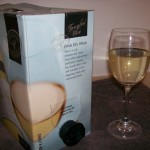
Photo by isante_magazine: http://farm5.staticflickr.com/4086/5057195715_74f63d6cca.jpg

Photo by isante_magazine: http://farm5.staticflickr.com/4086/5057195715_74f63d6cca.jpg

temperature tends to be a little too cold for white wines, and one should let the wine sit out at room temperature for 20 minutes or so to achieve optimal white wine serving temperature.

Previous studies have found that sensory thresholds of basic taste characteristics such as salt, bitter, sour, and sweet vary with changes in temperature.  Other studies have found that not only is the temperature of the food or beverage important in how the item tastes, but the temperature of the tasters tongue and mouth also influences what taste characteristics are more notable.  In addition to these basic tastes, studies have shown that temperature also changes the specific aromatic and sensory characteristics of a particular food or beverage.

The purpose of the study presented today was to use  projective mapping or “napping” as a method to determine how serving temperature influences the sensory profile of red wine.  Napping is a method that allows less sensory training for the panelists involved, and utilizing the panelists’ own knowledge and terms related to taste and not a set vocabulary only known to experts.  In other words, when panelists are presented with particular foods or beverages, they arrange the items on a tablecloth or napkin and group them in a way such that “like” items are grouped with “like” items and “non-like” items are kept separate from “non-like” items.  Think of it as a visual cluster analysis, if you will.

The authors of the study presented today hypothesized that serving temperature would affect the aromatic intensity of red wine and that increasing temperature would serve to increase aromatic intensity.  Also, they predicted that there would be a moderate effect of serving temperature on bitterness and astringency, with increasing temperature resulting in decreased bitterness and decreased astringency.

Methods

6 Lemberger wines from Washington State were used in this study.  Wines were stored at 5oC in the dark until use.

The sensory panel included 8 women and 4 men between the ages of 25 to 65.  Panelists were recruited from Washington State University and were regular red wine consumers.  The study took place at the Washington State University Sensory Evaluation Facility.

In addition to tasting the wines, panelists were asked to fill out a demographics survey.

Sensory analysis took place at isolated tables under white light and at room temperature.  Wines were served in Styrofoam cups, as according to the authors they did not contribute any sensory impact on the wines and the color intensity between the wines were the same when served in the cups.

Prior to sensory analysis, panelists received a basic training in evaluating the intensity of aromatics, mouthfeel, and flavor characteristics of Merlot wines.  Panelists were also trained in the napping procedure first using pieces of chocolate, then again using Merlot wine.  Panelists were trained to group samples according to sensory similarities and to place those with similar characteristics closer together and those with different characteristics further apart.

For the analysis of the Lemberger wines, the wines were kept at three different serving temperatures: 10oC (50oF), 16oC (60.8oF), and 22oC (71.6oF).

Unsalted crackers and deionized water were supplied to panelists for cleansing their palates.

At each temperature, all 6 wines were presented to the panelists in 25mL samples in Styrofoam cups and covered with Petri dishes to keep aromatic volatile compounds from escaping into the atmosphere.  Panelists were then asked to separate the wines using the napping method.  After separating the wines using the napping method, panelists were asked to write directly onto the tablecloth different sensory characteristics that characterized each of the groups that they created.  A wine tasting glossary was given to the panelists to help with this task, though they were also allowed to use their own terminology if they preferred.  Each tasting session was replicated for a total of 6 tasting sessions for each serving temperature.

Results

  • There was greater variability between replicates in the composition of wine “groups” at the lower serving temperatures (10oC and 16oC) while wine group composition was exactly the same for each replicate at the higher serving temperature (22oC).
    • The authors attributed this finding to previous studies that suggest that bitterness is more obvious at lower temperatures. Also, since panelists may vary in their ability to detect bitterness, there may be more variability in how each panelist groups each wine compared with warmer temperatures that don’t affect bitterness intensity in the same manner.
  • Sour tastes were more prominent in wines served at 10oC than at 22oC with wines served at 16oC falling in between the higher and lower temperatures in regards to the number of sour tastes noted.
  • Sweet tastes were more prominent in wines served at 22oC than 16oC, with wines served at 10oC falling in between the two.
  • Wines served at 10oC were more often described as bitter compared to wines served at 16oC and 22oC.
  • Wines served at 10oC were described as thinner and smoother than wines served at 22oC.
  • Wines served at 16oC and 22oC were described as more viscous than wines served at 10oC.
  • Wines served at 10oC and 16oC were described as more astringent than wines served at 22oC.
  • Wines served at 16oC and 22oC were described as having more spicy and berry characteristics than wines served at 10oC.
  • Wines served at 22oC were described as having more leather aromas than wines served at 10oC and 16oC.
  • Aromas did not appear to be as intense in wines served at 10oC than they were in wines served at 22oC.

Conclusions

The results of this study indicate that, as we already know from other studies, serving temperature has a significant effect on the sensory characteristics of red wine.  The results also showed that there appeared to be more variability in what individual panelists were able to detect in wines served at the lower temperatures than in wines served at the highest temperature (22oC).  Overall, the wines served at lower temperatures tended to have more sour and astringency characteristics than wines served at the higher temperatures, and also were lower in aromatic intensity than the wines served at higher temperatures.

By CDC [Public domain], via Wikimedia Commons

By CDC [Public domain], via Wikimedia Commons

What is not clear from these results was whether or not the panelists preferred one particular wine over another, though it was clear that there were obvious sensory differences between the different temperatures.

It is important to note that the exact sensory changes due to temperature seen in this study are only applicable to the Washington State Lemberger wines tested.  Other studies have found that temperature affects different wines in different ways, so exact aromatic and basic taste changes may be different from one varietal to another.  I think what it important and what is globally generalizable is that serving temperature in general does affect the sensory characteristics of wine regardless of varietal/blend.  What wasn’t discussed in this study was whether or not certain temperatures were more desirable than others in regards to acceptability and liking, but it could come down to personal preference.

What do you think of this study? What other tests would you have liked to have seen performed?  Please feel free to comment!

Source: Ross, C.F., Weller, K.M., Alldredge, J.R. 2012. Impact of serving temperature on sensory properties of red wine as evaluated using projective mapping by a trained panel. Journal of Sensory Studies 27: 463-470.

Wine Technology of the Future: Wine Storage and Preservation Device


“Wine Technology of the Future” is a series on The Academic Wino that features new inventions and patents that attempt to make your wine experience easier and more enjoyable. Previously on this series, we’ve introduced the “self aerating wine bottle” and the “corkscrew with integral intelligent thermometer”. For today’s featured patent, we introduce to you the “wine storage and preservation device”, invented by Gregory H. Lambrecht of Natick, Massachusetts, which claims to be able to remove wine from the bottle without removing the cork.

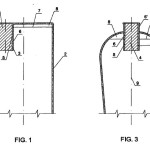
Figure 1 from US Patent 20120241476A1

In a sentence, this device was invented to aid in the dispensing and the preservation of wine. In other words, the device was designed to be able to 1) remove wine from the bottle without removing the cork; 2) allow repeated removal of wine from the bottle without damaging the cork so much that air can infiltrate and oxidize the wine; and 3) allow no air to enter into the wine during the removal process.

Why was this device invented?

It’s apparent that the device was invented in order to be able to taste wine from a bottle for a longer period of time without worry of it being oxidized or otherwise “going bad”. When you pop the cork, there is a huge influx of oxygen, which starts the rapid life-ending process for the wine. You can put the cork back inside the bottle, however, there remains a significant amount of oxygen in the bottle that will continue to cause damage to the wine until it’s too oxidized to drink and enjoy. There are many devices now that remove the oxygen from the bottle prior to re-corking, however, these devices usually get only a couple of extra days of life out of the bottle at best. Theoretically, if this device functions as the inventor said it does, then there should be no more extra air entering the bottle of wine than would had it never been touched at all, and therefore a significantly decreased risk of oxidation after dispensing the wine.

If this device works as it should in theory, I think it could be a great gadget for a variety of individuals. First, it’d be great for those that drink wine on rare occasions and don’t want to waste ¾ of a bottle that is left after their one glass. They could then milk the rest of the bottle for as long as they wanted and they could get their next glass at any point in the future and be confident that the wine will still taste good (side note: of course, this depends on the shelf life of the wine to begin with).

This device could also be great for someone who tastes a lot of wine for a living (or for fun, as is the case with many wine bloggers). Maybe you want to see how a particular wine pairs with 6 different types of food but you don’t want to have those vastly different flavors mucking up your palate by being forced to taste them all at one sitting. This device would allow you to plan many dishes over a longer period of time (and perhaps just one dish per night) and utilize the same bottle of wine without having to get multiple samples or risk having the wine change significantly after opening.

Maybe you’re curious how that very special (and very expensive) bottle of wine you have hiding under lock and key in your cellar is developing, but you don’t want to risk opening it prematurely and missing out on its’ full glory. Theoretically, with this device, you could take a little taste from the bottle without introducing any oxygen to the wine in order for you to know for sure if the wine is ready to be enjoyed now, or if it still needs to sit for some time.

How does it work?

As you can see from the figures, the device is relatively complicated, yet small enough to fit on the neck of the bottle. The device features three main components: 1) a needle; 2) a valve; and 3) a source of pressurized gas.

• Basically, the needle is inserted into the bottle between the cork and the wall of the bottle until the needle reaches completely past the cork.
• The bottle is then tilted so that the wine comes in contact with the end of the needle. At this point, you open the valve to the pressurized gas chamber, and gas enters the bottle of wine. It should be noted that this would need to be inert gas, such that no harmful chemical reactions between the gas and the wine could occur.

Figure 3D from US Patent 20120241476A1

• After there is sufficient gas inside the bottle, the valve is switched to an “off” position so that no more gas enters the bottle.
• At this point, the pressure inside the bottle has been built up, such that the wine is forced out through the needle into a collection chamber on the other end (i.e. your glass!).

Figure 3E from US Patent 20120241476A1

• Finally, once you’ve removed the amount of wine that you want, the bottle is tipped back so that the end of the needle is no longer touching the wine, and the extra gas that was pumped in is forced back out of the bottle through the needle and equilibrates to the original gas pressure level as was prior to using the device.

Figure 3F from US Patent 20120241476A1

• Once the needle is removed, the cork would simply expand back to its original position inside the bottle due to the plasticity of the material.

The inventor illustrates many variations on each of the main components of the device, and explains advantages of each variation. We could be here for days if I described them all, so I encourage you to check out the patent and read some of the more detailed descriptions of the function of the device.

As long as it’s not too complicated to use, and features automatic shut-offs and switches for the gas (to avoid someone not paying attention and blowing their wine clear across the room), I think it could be a useful device. I would not use it for daily personal consumption, as my boyfriend and I have no problems finishing a bottle of wine long before it goes bad. I would potentially use it for testing the wines that I am laying down for some time, to check their progress and to determine if I needed to open them soon or if I could let them lay for longer.

There might be some aesthetic changes that would need to be made (i.e. perhaps enclose the components so it looks more streamlined and is less likely to be damaged), as well as some sort of mechanism for protecting the user against the sharp needle.

I’d love to hear what you all this about this device. Do you think it has promise? What tweaking would you want to see done on the device before it was made available to the public? What would you name it? Please leave your comments!

Source: United States Patent Application Pub No.: US 2012/0241476 A1 http://www.freepatentsonline.com/20120241476.pdf Accessed 11/10/2012 and 12/6/2012

Evidence for Damaging Effects of Heat Exposure on Wine During Transport and Storage and Recommendations for Protection

It is well known that long term heat exposure is detrimental to the quality of wine, specifically its sensory characteristics and ability to age.  Excessive heat can also alter a wine’s physical and chemical stability, such as showing a cloudy or brownish appearance and leaking bottles.  To date, most of the evidence for the damaging effects of heat on wine storage is anecdotal, with very little concrete scientific evidence backing up the claims.

http://www.restaurantowner.com/
public/images/336.jpg

A bottle of wine being transported from winery to consumer risks many abusive shipping processes along the way, including excessive heat exposure.  This risk is exacerbated at times by high shipping costs, limited availability of refrigerated shipping containers, and general ignorance.  Many winemakers have even adjusted their production techniques in order to protect their bottles of wine from heat exposure, including deliberately oxidized and fortified; red wines that underwent extended maceration; and distilled wines.  Nearly all commercial white wines are heat stabilized during the winemaking process, so that heat exposure does not result in a visual change in the wine (haziness).

Even if heat exposure doesn’t damage the wine per se, the ageing characteristics will be changed following a certain time of elevated temperatures.  Specifically, heat exposure can prematurely release glucose-bound flavor precursors, decrease the levels of protective free sulfur dioxide, and cause an increase in browning.  The sensory character could be changed as well, though due to rapid heating and specific reactions of the many compounds in wine, it’s not certain that the “ageing” due to increased heat exposure would be the same as if that wine were aged for a comparable amount of time at a more traditional storage temperature.  It is likely that at least the subtle differences attributable to terroir would be lost.

One potentially hazardous consequence of increased heat exposure to wine while in storage is the formation of ethyl carbamate (EC).  Based on experiments with rodents, it has been shown that there is a probability of a carcinogenic effect of EC in humans when exposed to high concentrations of the compound.  In wine, EC is formed from its precursor, Urea, which is naturally present in wine from 100μg/L to 100mg/L.  Urea can be released by wine yeasts during or at the end of alcoholic fermentation, which then can spontaneously react with alcohol to produce EC.  This reaction between Urea and alcohol to make EC has been shown to accelerate exponentially when excessive heat is applied.  Therefore, excessive heat during storage of wine is a great concern.

The study presented today used EC levels as an indicator of wine quality in order to demonstrate the chemical changes that occur in wine during transport and storage.  The goal of the study was to provide wine makers and producers with information on how to properly handle their wines in regards to transport and storage as they work with transport companies, distributors, wholesalers, and retailers in order to minimize the exposure of their wines to excessive temperatures during this transitional period.

Methods

The wine used for this experiment was a model wine, containing 10mg of urea, 5g of potassium bitartrate, 3g L-malic acid, 1.1g potassium monohydrogen phosphate, and 150mL ethanol, brought to volume by adding de-ionized water.  The resulting pH was 3.5.

Temperatures were tracked and recorded using Dickson SP100 dual-channel temperature data loggers.  An internal temperature sensor recorded the air temperature inside the test package, and an external thermistor was placed inside a wine bottle filled with de-ionized water.  Temperatures were recorded every 15 minutes.

The test packages were created by loading a standard 12 bottle case with one bottle of model wine, one bottle of de-ionized water containing the thermistor, and the rest of the case fitting the data logger.

Test packages were shipped via truck or rail, in standard non-refrigerated containers with non-insulated walls.  Wine cases were assembled onto pallets, with the top of the pallets covered with thermal blankets (fabric quilts or plastic/metal bubble wrap) for insulation.

Test packages were placed in the shipping container in three different positions per shipment: one above the thermal blanket, one in the front of the pallet below the blanket, and one in the back of the pallet below the blanket.

There were 26 individual shipments containing a total of 47 test packages monitored in the summer and fall of 2000 during 13 different shipments throughout the US.  Wines were shipped via truck or rail from winery warehouses in California to wine distribution centers in Georgia, Texas, New York, California, New Jersey, Illinois, Florida, Missouri, Louisiana, and North Carolina.  Upon arrival, test packages were removed from their pallets and returned to California via USPS Priority Mail for chemical analysis.  Wines were in transport for a total of 1 to 3 weeks.

Upon return to California, wines were sent to ETS Laboratories for chemical analysis.  EC was analyzed by gas chromatography and mass spectroscopy.

Heat exposure of wines was calculated by integrating the temperature data for each 15 minute intervals and comparing them to ideal cellar storage conditions.

Results

  •       Temperatures ranged from -13oC to 44oC in the top (unprotected) position.

o   The freezing point of table wine is -5oC.

o   Volume expansion of table wine from 13oC to 44oC is 0.9% or 7mL per 750 mL bottle.

o   Normal headspace volume at bottling is between 4 and 7mL.

  •       There was a 2 to 4oC temperature difference between the temperature of the air in the storage space and the temperature of the liquid inside the bottle.

o   Therefore, the heat capacity of the glass protects the wine from short-term temperature spikes.

  •       Temperature changes during 1 day in the unprotected top position ranged from 4oC to 21oC.

o   This temperature fluctuation could result in significant volume expansion of the wine which could affect the structural integrity of the closure and glass.

  •       There were significant temperature differences between test packages, depending upon where in the container the test package was located.

o   All extreme temperatures occurred in the top location that was unprotected; indicating that wine shipped without additional protection (i.e. blankets) will be more prone to extreme heat exposure and variation between bottles in a single shipment.

  •       EC formation in model wines was found to be between 2 and 94 μg/L during the shipping period tested.

o   This resulted in a 10-fold increase in reaction rate every increase of 19oC.

  •       Heat exposure to the wines significantly increased the effective bottle age and wine shelf life.

o   The true age of the wine jumped forward by 18 months (1.5 vintages).

o   This accelerated aging will likely lead to different wines in terms of sensory characteristics than what they would be under normal aging conditions.

Conclusions

The results of this study showed that extreme heat exposure has potentially damaging effects on the stored wines.  However, current commercial shipping technologies can be sufficient in protecting wines against heat damage, as long as certain rules and procedures are applied each time.  For example, the use of insulation in shipping containers is critical in protecting wine against excessive heat.  Since wine bottles are heavy, they are usually packed at the bottle of the shipping container, which leaves a good amount of headspace above it.  As this study showed, the headspace is prone to excessive heat fluxes, so by insulating the shipping containers, this increase in temperature of the headspace can be hampered.

One concern about these protective measures is that the cost is too much to bear for wineries.  According to the authors of this study, the additional cost for different transport options, including special refrigeration units or protective blankets, usually adds no more than 0.1% to the production cost of even the most inexpensive wines.  Those red wines that are heavily extracted and considered to be very precious are actually the ones that are least apt to be damaged by heat exposure, due to their high abundance of protective phenolic compounds.

One part of the system that this study did not cover that could cause significant damage to the wines due to heat exposure is the time when wines are moved from small un-insulated delivery trucks to the consumers’ doorstep (or some other similar end of transport situation).  There isn’t too much that can be done at this point, other than packaging the wines in protective/insulating case boxes and not shipping during the hottest months of the year.  Overall, however, damage to wines caused by excessive heat exposure can be avoided mostly by ensuring proper protection in the shipping containers during transport and storage.

One thing I’d like to see a similar experiment with actual wine instead of model wine.  Since “real” wine contains many more compounds than the model wine in this study, do the chemical reactions therein change how the wine is affected by the heat?  The authors alluded to the fact that a heavier wine with higher levels of phenolic compounds would suffer less than other wines, so it would be nice to see this backed up with some data.  Also, were the EC fluctuations found in this study enough to be harmful to humans if consumed?  Or did the levels remain below any sort of threshold level?

I’ve love to hear what you all think about this topic.  Please feel free to comment below (no html tags, please).

Source: Butzke, C.E., Vogt, E.E., and Chacón-Rodríguez, L. 2012. Effects of heat exposure on wine quality during transport and storage. Journal of Wine Research 23(1): 15-25.


I am not a health professional, nor do I pretend to be. Please consult your doctor before altering your alcohol consumption habits. Do not consume alcohol if you are under the age of 21. Do not drink and drive. Enjoy responsibly!