
Monthly Archives: September 2012

Who’s Your Daddy?: Tempranillo

The “Who’s Your Daddy” series takes a brief look at the parentage of grapes, in order to get a better understanding of where particular varietals come from and how they are genetically related to one another.  So far, we’ve covered: Cabernet Sauvignon, Syrah, Chardonnay, Petit Verdot, Sangiovese, Nebbiolo, Pinotage, Gamay, Petite Sirah, and Merlot.  Feel free to click on any one of the varietal names to read all about their parentage.

http://i.images.cdn.fotopedia.com/flickr-2559447601-hd/Tokyo_and_Vicinity/Places_of_Interest/Museums__Galleries/Miraikan/DNA.jpg

The subject of today’s “Who’s Your Daddy” post is Tempranillo, a grape that for some reason always makes me roll my r’s a little bit longer than I probably should!

History

The name “Tempranillo” is well accepted to be derived from the word “temprano”, meaning early, which is likely related to the early ripening of the grape.  The word “Tempranillo” was recorded only sporatically through its early history, but it’s thought that the grape has been around at least since the 13th century and perhaps earlier.  Tempranillo hails originally from Spain, and has been the predominant grape in wines from both Rioja and Ribera del Duero.  In fact, Tempranillo is mostly grown in Spain, though you will find Tempranillo vineyards in other small corners of the world, including the United States, South America, South Africa, New Zealand, Australia, Argentina, and a few others.

After spending potentially hundreds of years in Spain, the grape may made its way to (*Edit: South) America some time during the 17th century by the Spanish Conquistadors.  More than likely, the Conquistadors brought the vines over by seed, which allowed the grape to slowly establish itself in places that were more hospitable to the conditions needed for optimal growth.  Tempranillo finally reached the west coast of the United States by the early 1900s, though it took some time for it to popularize and establish due to its “disagreement” with the growing conditions of the area and its desired viticultural requirements.

Viticulture

For ideal ripening and development, Tempranillo vines prefer hot days and cool nights, a combination that is not found in every viticultural growing area.  *Edit: A great comment left by Earl at the end of this post reminded me that another very important characteristic of Tempranillo viticulture is that it has a short growing season.

Tempranillo does best in calcareous clay soils, though also does well in soils rich in iron, chalk, and limestone.  As with many grapes, sloping terrain is beneficial for drainage, and it tends to do well at higher altitudes.

Tempranillo is prone to attack by a variety of pests and diseases, since it does not have immunity to any sort of ailment.  Though the thick dark skin provides some protection again disease, the very tight cluster formation is very attractive for critters than want to set up camp and go to town on the grapes and grapevines.

Sensory Characteristics

Tempranillo is often used in blends (think Rioja, etc), though is thought to be the solid backbone of these blends to provide color and unique flavor contributions to the finished wine.  Anthocyanin levels in Tempranillo grapes are very high, which explain the deep red color of the wine.

In younger Tempranillo wines, the grapes of which were grown in cooler climates, the aromatic profile tends to consist of red fruit flavors, including strawberries, black currants, and cherries.  On the other hand, in older wines, the grapes of which were grown in hotter climates, the aromatic profile is reminiscent of prunes, chocolate, and tobacco.  Tempranillo also often has a characteristic “earthy minerality” to its flavor profile.

In regards to structure, Tempranillo wines tend to be low in acidity, with moderate to high levels of tannin and moderate levels of alcohol.  As a result of these characteristics, Tempranillo has a generally smooth mouthfeel, as well as rich aromas and flavors.  Finally, Tempranillo is known to do very well in oak, as the vanilla and coconut characteristics of the oak complement the fruit and minerality components of the Tempranillo wine very well.

So, Tempranillo….”Who’s your daddy?”…

We know where Tempranillo came from originally, however, which grapes gave rise to the Tempranillo grape to begin with?

Researchers at the CSIC Universidad de La Rioja, Gobierno de La Rioja and the Instituto Madrileño de Investigación y Desarrollo Rural, Agrario y Alimentario (IMIDRA) recently uncovered the genetic origins of Tempranillo by genotyping analysis for SNP and microsatellite markers in grapevine germplasm collections and published their work just one month ago in the American Journal of Enology and Viticulture.

Without further ado, I present to you the genetic parents of Tempranillo:

Albillo Mayor…..

http://img.interempresas.net/fotos/749483.jpeg


…and…


Tempranillo grapes: http://www.wineaccess.com/graphics/grapeimages/tempranillo.jpg


…..Benedicto!


Neither of these grapes is particularly well known in the United States, though Albillo Mayor is still well-established in the Iberian Peninsula of Spain.  Benedicto, on the other hand, is rarely cultivated today and is not very well known even in the historical record.

There you have it!  If you’d like to learn about the parentage of another grape variety, simply leave a comment below and I’ll see what I can dig up!  Note: there are many grape varieties with unknown parentage still, but I’ll try my best to find data that may suggest particular relationships and origins.  This type of genetic research is ongoing, so even if I can’t find information on a particular grape of your choosing today, that may change in the future!

Cheers!

(Citation for the genetics research article: Ibáñez, J., Muñoz-Organero, G., Zinelabidine, L.H., de Andrés, M.T., Cabello, F., and Martínez-Zapater, J.M. 2012. Genetic origin of the grapevine cultivar Tempranillo. American Journal of Enology and Viticulture. ajev.2012.12012 published ahead of print August 17, 2012.)

(Source for article citing possible introduction of Tempranillo seeds to South America: http://www.ejbiotechnology.info/content/vol6/issue3/full/11/index.html)


Using Dehydrated Grape Marc Waste to Improve Wine Quality: A More “Natural” Approach?
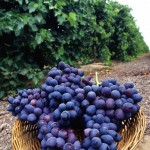
Producing a quality wine is of utmost important to winemakers, and arguably the most important goal in the industry as a whole.  There are many factors that influence quality in a wine, many of which are related to the chemical composition of volatiles and phenolic compounds, both which influence the sensory and overall quality characteristics of the finished wine.  Viticultural management and winemaking techniques can play a role in altering the concentration of these compounds, in addition to any biochemical reactions that may occur during the fermentation and aging processes.

http://www.public-domain-image.com/cache/flora-plants-public-domain-images-pictures/fruits-public-domain-images-pictures/grapes-fruit-pictures/fresh-purple-grapes_w492_h725.jpg

In addition to volatile compounds, which are associated with the aroma and flavor of wine, color plays an equally important role in wine quality.  In the “average” wine and poorer quality wines, color tends not to last as long as it does in higher quality wine.  In other words, color tends to degrade faster in average and low quality wines than it does in high quality wines.  This decline is tied in with an overall decline in the concentration of polyphenols in wine, which act to prevent oxygen degradation and other harmful reactions.  As a result of this, many average and lower quality wines must resort to adding greater quantities of SO2 and ascorbic acid in order to make up for the decrease in polyphenols that otherwise protect the wine.

With the increased push for more stringent ingredient labeling on wine bottles, and a general increased interest in producing more organic and/or sustainable wines, the use of more natural additives to protect wines again oxygen degradation or other “ailments” is of growing importance.

One potential candidate for a natural alternative to SO2 or ascorbic acid for the purposes of maintaining wine quality is waste grape marc from the juice industry and has been recently been studied for this purpose.  In the juice industry, grape marc (i.e. the skins and seeds waste) are collected after only a short period of maceration time (4 days touching the juice) than the maceration time of red winemaking.  This means that this marc has not yet been stripped of much of its chemical structure and components, indicating their possible ability to be reused and recycled instead of going to waste.

The goal of the study presented today was to determine if this grape skin waste in its dehydrated form could act as a new winemaking technique for increasing or maintaining color and for protecting the wine against phenolic and aromatic degradation prior to bottling.

Methods

Grape marc wastes were of Vitis vinifera grapes of the Bobal variety (red), and a mixture of the white variety Airén (70%) and an unknown red variety (blend hereby referred to as “AMIX”).  Marc was collected from a juice concentrate factory in Castilla-La Mancha (Julian Soler, Cuenca, Spain).   Marc was collected, frozen, then thawed, dried, then ground after the removal of seeds and stalks.  Four grape skin marc treatments were made for this experiment: 100% Bobal, 100% AMIX, 75% AMIX & 25% Bobal, and 50% AMIX & 50 Bobal.

http://images.cdn.fotopedia.com/flickr-2098057505-hd.jpg

Two aged and two young wines were provided by a local winery.  Young wines were meant to correspond with bulk commercial wines with a shelf life less than or equal to three years.  Young wines were made using traditional methods, and with 5-10 days of maceration and fermentation in stainless steel tanks.  Wines were blends of grapes found in the area, including Tempranillo, Cabernet Sauvignon, Merlot, etc.  Aged wines were created similar to young wines, except these underwent a longer maceration time (10-20 days) and were aged for at least 6 months in American oak barrels.

All wines had a pH between 3.5 and 3.9, and alcohol content between 13.5 and 14% vol.  Wines were bottled in amber bottles with synthetic cork closures (4 bottles of each wine made).

For maceration with the grape skin marc treatments, wines were macerated with 5g/L of the treatment over 3 days at 18oC.  After maceration, grape marc treatments were removed with a strainer and the wines were stored in crystal bottles at 18oC.  Analysis of the wines occurred immediately after maceration, then at 3 months and 6 months post maceration.

Color parameters (anthocyanins) and total phenolic compounds were analyzed using UV-vis spectrophotometry.  Individual phenolic analysis occurred using HPLC-DAD.  Finally, volatile compounds were measured using SBSE-GC-MS.

If you want to know more details about the methods, please ask!

Results

Color

  • The addition to grape marc in wines significantly impacted the color intensity and shade of all wines (both aged and young).
    • Bobal showed the highest color intensity increase, which AMIX showed the lowest.
    • The extent of color intensity increases were dependent upon the type of grape used to make the dehydrated grape marc powder, though all grapes led to an increase in color.
      • These results indicate the addition of grape marc waste prior to bottling may improve the color in both aged and young wines.
  • All grape marc treatments cause a decrease in shading, which is indicative of higher quality.
    • The Bobal treatment appeared to be the most effective in reducing shading in wines.
    • The mixture of Bobal and AMIX treatments were not as effective in reducing shading in wines.
  • Color intensity increased over time in all wines.
    • Bobal wines showed the highest increase over time.
  • Shade values increased over time (degradation in quality) compared with controls.

Total Phenols

  • Total phenols significantly increased after grape marc treatment.
    • Bobal treatment showed the highest increase, followed by the mixtures of Bobal and AMIX.
    • Increases were higher in aged wines than young wines.
    • Total phenols evolved over time in the same pattern for grape marc treated wines as control wines.
    • All wines treated with grape marc had significantly higher total phenol levels than control wines
      • Total phenol levels were similar for all grape marc treatments, with no one treatment performing better than the rest.

Anthocyanins

  • Grape marc treatments resulted in an average increase of 50mg/L of total monoglucoside anthocyanins.
    • Bobal produced the highest levels of anthocyanins, while AMIX produced the lowest.
    • Anthocyanin levels decreased over storage time.
      • AMIX and the mixture with more AMIX showed the lowest decrease in anthocyanins.
      • The amount of anthocyanins present depended upon the grape marc treatment and on the age of the wine.
  • Even though anthocyanins decreased over time, the anthocyanin content in grape marc treated wines was always higher than control wines, and remained significantly higher by the end of the experiment.

Low Molecular Weight Phenolic Compounds

  • Treatment with grape marc significantly increased the levels of low molecular weight phenolic compounds in all wines.
    • Mixtures of red and white marc appear to have increased these values the most, compared with white or red varieties by themselves.
      • The authors concluded that mixtures of grape marc could be good strategy for balancing phenolic compound deficiencies in wine.
      • Also, using different mixtures of grape marc could allow winemakers more control over aroma and flavor profiles of their wines by adjusting the proportion of one particular skin over another.
  • The primary low molecular weight phenolic compounds released by the grape marc were gallic acid, catechin, epicatechin, and resveratrol.
    • Caffeic and coumaric acids increased more in young wines than aged wines.
    • Resveratrol increased more in young wines.
  • After 6 months of storage, all wines treated with grape marc had higher levels of low molecular weight phenolic compounds than controls.
    • Grape marc mixtures with greater levels of white grape skins produced wines with the highest levels of low molecular weight phenolic compounds.

Volatile Composition

  • After grape marc treatment, the volatile compound β-ionone significantly increased in wines.
    • The Bobal treatment resulted in the greatest increase of β-ionone.
    • After grape marc treatment, β-damascenone and nerolidol decreased in all wines.
      • Even though β-damascenone levels decreased, they were still above their odor thresholds, thus maintaining their floral and fruity characteristics.
      • 1-hexanol (herbaceous tones) remained unchanged after grape marc treatment.
      • After grape marc treatment, increases in isoamyl acetate (banana tones) were noted.
      • Wood-derived compounds remained unchanged after grape marc treatment.

What does this all mean?

Overall, the results of this study indicate that using dehydrated grape skins/marc from the juice industry may be a important tool for increasing the quality characteristics of average or lower quality wines prior to bottling.   Specifically, after the treatment with dehydrated grape skins, color and total phenolic content increased in all wines, as well as anthocyanins and low molecular weight compounds, all of which are important contributors to wine quality.  The volatile component of the wine was only moderately affected, indicating that if particular flavor profiles are desired, then the winemaker must be deliberate in exactly which variety of grape(s) is used in creating the dehydrated grape skin treatment.

I found the results of this study very fascinating, and important in the quest for finding more natural alternatives to preserving or increasing quality in the winemaking process.  One thing that is missing from this study, however, is the sensory analysis of the treated wines.  Does dehydrated grape skin treatment affect the flavor and aroma of the finished wine?  Based on the results from the volatile compound analysis, the answer should be yes, however, I would have liked to see the accompanying sensory analysis for confirmation.

In lieu of space, I won’t go on regarding more specific results or implications; however, I’d love for you all to help me continue the discussion in the comment section below.

What do you think of the study results?

What implications to you see for this type of treatment application?

Is there testing that you would like to have seen that was not performed?

Do you think the treatment of grape marc waste is, in fact, a natural approach?  Or something different?

Please feel free to leave your comments/questions for discussion!

Source: Pedroza, M.A., Carmona, M., Alonso, G.L., Salinas, M.R., and Zalacain, A. 2013. Pre-bottling use of dehydrated waste grape skins to improve colour, phenolic and aroma composition of red wines. Food Chemistry 136: 224-236.

DOI: 10.1016/j.foodchem.2012.07.110

I am not a health professional, nor do I pretend to be. Please consult your doctor before altering your alcohol consumption habits. Do not consume alcohol if you are under the age of 21. Do not drink and drive. Enjoy responsibly!

The Nose Knows: Examining the Differences in Olfactory Perception Between Experts and Novices

Olfactory perception is a key mechanism of wine tasting, as smelling the wine tells one a great many characteristics of a given wine which contribute significantly to the overall wine tasting experience.  Do experts possess greater olfactory perception than novices?  Studies have shown that experts possess greater ability to identify, discriminate, and recognize through olfactory mechanisms than novices, though at the same time showing that olfactory sensitivity is the same between the two groups.  In other words, experts and novices are both able to smell the wine at the same threshold level, however experts are better able to tease apart the complex nuances of the wine than novices.

Photo courtesy of Congaman: http://www.flickr.com/photos/congaman/

Many believe that this ability to recognize and identify more odors in wines by experts is due to education and practice, as a result of repetitive exposure to many different styles of wine.  In fact, studies have shown that repetitive exposure to certain odors can increase olfactory sensitivity, so it could be hypothesized that wine experts have a lower olfactory perception threshold than novices.  Studies have also found that each nostril behaves slightly different from one to the other, leading some to believe that perhaps wine experts have a greater ability to utilize this more sensitive nostril than novices.

Mechanistically, there is a significant difference in sensitivity and perception depending upon exactly how one inhales.  When one inhales normally, only 15% of the air coming in passes over the epithelium in the nasal cavity.  Since odor is perceived when gas is exchanged from the air into the epithelial cells, one should aim to maximize the amount of air passing over these cells for greater gas transfer.

How does one do that?

By sniffing instead of simply inhaling normally, one is significantly increasing the amount of air entering the nasal cavity, thereby significantly increasing the amount of gas exchanged at the air/epithelial boundary.  This ultimately increases the olfactory systems’ ability to detect volatiles and other odors.  Interestingly, the mechanisms of sniffing and normal smelling are activated by different parts of the brain, therefore it can be argued that experts are better able to activate the portion of the brain than novices, which may or may not be a factor of experience.

Exercise: 

Try smelling your wine by simply breathing in normally.  Then, after a brief break, try smelling the wine again by sniffing rapidly for the same length of time as prior.  Do you notice a difference?

The goal of the study presented today aimed to examine the differences in olfactory perception between wine experts and novices, and to determine if there is a difference in perception based on nostril location (left or right) and if there is a difference in this nasal lateralization between experts and novices.

Methods

40 participants were split up into two groups and age-matched: wine experts and wine novices.  Each group had an equal number of males and females, to look for possible gender differences.  Experts were recruited from the French County Institute of Wine and Taste.  The average age of the expert group was 50 years and 3 months (standard deviation of 12 years), and the average age of the novice group was 51 years and 6 months (standard deviation of 11 years).  All participants claimed normal smell sensitivity and no history of chemical exposure that would potentially damage olfactory perception ability.

Wines used in the study were Savagnin 2005 (12.8% alcohol; Benoit: Pupillin, France), Morgon 2007 (12.5% alcohol; Gauthier: Villié-Morgon, France), and Riesling 2007 (12.5%; Lorentz; Bergheim, France).  A dilution series was prepared for each wine using deionized water.  The full series included 20 steps, with step 1 being the most dilute wine (i.e. mostly water with a little wine) and step 20 being the most concentration (i.e. mostly wine with a little water).  50mL of each dilution was placed into black wine glasses (to eliminate the variable of color/vision).  A 50mL glass of deionized water was used as the negative control.

The experiment was divided into three different sessions over the course of three weeks.

  • Session 1: Right nostril testing using Riesling and left nostril testing using Morgon.
  • Session 2: Right nostril testing using Savagnin and left nostril testing using Riesling.
  • Session 3: Right nostril testing using Morgon and left nostril testing using Savagnin.  The third session also included a butanol control sensitivity test.

Each session lasted 1.5 hours with a 15 minute break in between right and left testing.

After each session, participants were asked to score irritant properties and overall enjoyment of the wine on a 0-10 scale.  For irritant properties, 0 was not irritant and 10 was strongly irritant.  For overall enjoyment, 0 was very unpleasant and 10 was very pleasant.

During each session, whichever nostril was not being tested was plugged.  The sessions consisted of force-choice trials: each trial consisted of 2 glasses; one being the negative control (water) and the other being one of the wine dilutions.  Participants were asked to identify by smell which glass contained the wine.  Testing of each wine began at the most dilute concentration, so as to avoid olfactory receptor adaptation.  Each wine concentration was tested 3 times.  Threshold was determined when a participant correctly identified the glass containing wine three times at two consecutive concentration levels.  According to the authors, the probability of guessing correctly was 1 out of 64.

Results

Butanol/Alcohol Detection

  • Butanol detection tests showed there was no significant effect of expertise, gender, or nostril location.

Wine Detection

  • Novices had lower wine detection thresholds than experts.
    • In other words, novices were more sensitive to detecting if a glass contained wine or water than experts.
    • There was no significant effect of gender or nostril location for any of the wines.
    • Novices had a lower detection threshold in the left nostril than experts.
      • There were no significant differences between experts and novices in regards to the detection threshold of the right nostril.
      • The detection threshold for the Savagnin wine was lower than the other two wines for both groups and either nostril.

Irritant Status

  • Novices scored wines as more irritating than did the experts.
  • There was no significant gender or nostril effect, nor was there any significant interaction between group and nostril.

Overall “Acceptability”

  • Novices scored wines as less pleasant than did the experts.
  • There was no significant gender or nostril effect.
  • Experts rated wines as more pleasant than did the novices using the right nostril.
    • There were no significant differences with the left nostril.

What do these results mean?

The results of this study found that novices appear to have greater sensitivity to wine than experts when using the right nostril, though there were no differences between the groups using the left nostril.  In regards to irritation, novices found the wine to be more irritating to the nose than did the experts.  In regards to overall pleasantries, novices found the wine to be less pleasant overall than did the experts, and experts also found the wine even more pleasant using their right nostril.

According to the authors of this study, these results indicate that there is a more important lateralization aspect to wine tasting for novices than there is for experts.  In other words, one side of the nose is more sensitive to novice tasters than experts, who have the ability to sense wine equally in both nostrils.  This result actually turned out to oppose the original hypothesis of this study, which stated that experts would have greater olfactory sensitivity to wine than novices.  The authors suggest that this result may be due to the fact that experts are trained to use both nostrils evenly, whereas novices will detect the wine better on whichever nostril is more sensitive to odor cues.

Other studies have found that olfactory sensitivity may not be a requirement for wine characteristics identification, but that the development of cognitive strategies and attention to detail is what sets the two groups apart.  The current study did not examine this hypothesis, though it could potentially explain the results found therein.

I have no formal training in this area of neuroscience (other than what I’ve read in papers) so I could be light years out of the ballpark, but one idea that I was thinking was that perhaps these results could be explained by experience and time.  Specifically, perhaps the odor of wine is so novel for beginners that they can tell pretty quickly if there is something slightly “off” about the glass that they smell.  Of course, when I say “off”, I don’t mean to say that the wine was bad, but that it is different than the water or other beverages they are used to smelling.

Perhaps with wine experts, the novelty of the general wine odor has since worn and they have been relatively desensitized in that regard.  I would like to see a study that followed an individual from “wine novicehood” to “wine expert”, all the while measuring olfactory sensitivity and odor perception/identification throughout the entire course of development.  This would obviously be a long-term study, but I would think there could be a fair amount of interest to participate in this type of study.

I would also like to see the study repeated with a larger sample size, as at the current size of 20 participants per group, the results may not be generalizable to the greater population as a whole.

What about you all?  How would you interpret the results of this study?  There’s a lot more work to be done, so there could be many different interpretations worthy of further research.  Please tell us what you think by commenting!

Source:  Brand, G., and Brisson, R. 2012. Lateralisation in wine olfactory threshold detection: Comparison between experts and novices. Laterality 17(5): 583-596.

DOI: 10.1080/1357650X.2011.595955

Determining Consumer Willingness to Pay for Low-Sulfite Wines: What Drives Likelihood of Purchase?

The presence and/or absence of sulfites in wine is a continual hot topic in the wine industry, and one which is still relatively poorly understood among many consumers.

Sulfites are used in the winemaking process to act as antioxidants as well as antimicrobial agents, which aid in the preservation and aging potential of the finished wine. Amounts of sulfites added to wines are on average 30 to 90 parts per million (ppm).  In addition, sulfites are also naturally present in small amounts in all wines (both red and white).  As a result of technological advances, many wineries are experimenting with lowering or eliminating added sulfites in their wines, since the risk of damage to the wine is significantly reduced with modern technology and practices.

http://opencage.info/pics/files/800_9500.jpg

Sulfites have been shown to have negative health impacts in humans when present in higher doses.  Specifically, several health problems associated with higher levels of sulfites have been reported, including respiratory problems, rashes, stomach pains, headaches, and migraines.  However, though these symptoms have been reported after sulfite consumption, research has not yet determined with complete certainty that sulfites in wine are responsible for these negative effects, or if other components of the wine are triggering the reactions.

As a result of these negative health benefits, consumer perception of sulfites in wine is generally negative, which likely isn’t helped by country-specific labeling rules warning consumers of the presence of sulfites greater than certain levels (i.e. 10ppm or greater of sulfites present in wine in the United States requires a warning label).

Based on this knowledge of sulfites and the assumed negative perception of sulfites in wine by consumers, the authors of the paper presented today aimed to evaluate these negative perception, to determine if consumers would be willing to pay more for low-sulfite wines, and to determine if there are any specific groups of consumers that these types of low-sulfite wines could be specifically marketed to for maximum economic benefit.

Methods

Consumer preference for low-sulfite wines was determined using a survey that was sent out to a local wine shop’s customer email list.  The survey included some preliminary questions that were followed then by a main choice task.  Preliminary questions included demographics (age, income, education level, and sex), typical purchasing behavior, subjective headache experiences, and attitudes toward sulfites.  For completing the survey, participants received a $20 wine voucher to the wine shop that gave out their email addresses.

The main choice task included hypothetical wines split up into 12 different “scenarios” with 3 alternatives per scenario.  Participants were asked to choose which label was their “most preferred” and “least preferred” wine label out of the three possible choices.  Varietal was kept constant throughout an experiment, though in the beginning, participants were randomly assigned to either red or white wine categories.

Quality levels of wine were determined based on their Wine Spectator ratings.

Hypothetical wine labels included an actual “USDA Organic” seal and a “No Sulfites Added” label.  A wine could have either one label, neither label, or both labels.

http://images.cdn.fotopedia.com/flickr-3496808324-hd.jpg


To calculate willingness to pay, participants were randomly assigned to three different pricing groups which were $10-15; $20-25; and $30-35.  After participants indicated which wine was their preferred wine, they were asked if they would actually purchase the bottle if it were in the price range to which the participant was assigned.

To not confuse headaches with hangover headaches, participants were asked about their headache experiences only after moderate consumption.

Rather technical mathematical models and statistical analyses were performed on these data, of which I will not get into now for space and time considerations.  Feel free to ask questions if you need some clarification.

Results

  • There were a total of 223 people that responded to the email surveys.
  • 49.78% of survey participants reported owning 10 or more bottles at home, indicating that may be collecting wine for non-immediate use (storing/cellaring).

Headaches

  • 34.08% of participants reported having headaches after consuming a moderate amount of wine.
    • 60% of those that did not purchase any wines in a month and 50% of those that did not store wine at home attributed the headache experience to wine consumption.
    • 63.16% of those experiencing headaches blame sulfites for triggering the pain.
      • 57.89% blamed dehydration
      • 32.89% blamed red wine

Value/Willingness to Pay

  • Consumers placed a value of $0.64 on wine lacking in sulfites.
    • These same consumers placed a value of $1.22 on organic wines.
    • A 4-point increase in the Wine Spectator quality score increased consumer willingness to pay by $2.84.
      • Differences in quality/score have a greater influence on willingness to pay than organic or low/no sulfites added labeling.
      • For consumers placed in the high price category, there were no significant differences in willingness to pay for any wines.
      • Participants reporting headaches were willing to pay $1.23 more for a wine lacking sulfites.
        • Participating not reporting headaches were willing to pay only $0.33 more for a wine lacking in sulfites.
        • Participants reporting headaches were willing to pay more for wines low in sulfites than for organic wines.
          • This indicates an obvious “No Sulfites Added” label is important for these types of consumers.

Likelihood of Purchase

  • For consumers in general, an organic wine designation increased the likelihood of purchase by 1.86%, though this was not statistically significant. 
    • Similarly, wines made without added sulfites increased the likelihood of purchase by 1.72%, again not statistically significant.
    • A 4-point increase in the Wine Spectator score of the wine increased the likelihood of purchase by 5.71%.
    • A $1.50 increase in price decreased the likelihood of purchase by 5.10%.
    • Compared to the lowest price range group ($10-15), those being placed into the mid-range price group ($20-25) decreased their likelihood of purchase by 22%.
    • Compared to the lowest price range group ($10-15), those being placed into the high-range price group ($30-35) decreased their likelihood of purchase by 33%.

General Conclusions

  • In general, price appears to be of greatest importance to consumers compared to score, organic, and low-sulfite designations.
  • Those reporting headaches, results are similar to the general population in that price and quality appear to be of greatest importance.
    • This group does appear to be the best group to market low-sulfite wines to, as they were the group that was willing to pay the most for these types of wines. 
      • Those suffering from headache are 3.41% more likely to purchase low/no-sulfite wine than non-headache suffers (only 0.97% more likely to purchase these wines).

Again, it appears as though price and quality are the drivers for consumers when it comes to likelihood of purchasing wines.  In fact, a 4-point increase in score on a 100-point scale is 3x more important in the likelihood of purchase than a wine advertised as lacking sulfites.  According to the authors, a designation of “low sulfites” may only be useful if the quality is also high, as a wine that is poor in quality will not be purchased even if it is lower in sulfites.

A wine low in sulfites does carry a greater risk of oxidation and spoilage, so producers need to be wary of completely eliminating sulfites from their wine.  If it’s marketed in a way that stresses it’s a wine to drink now and not to cellar, then they may be able to strike a safe balance.

One thing I’d be curious about is whether those survey respondents claiming they have over 10 bottles of wine at home are willing to pay more for sulfite-free wines, or if they are part of a different niche in which this concern does not factor into their purchasing decisions.  Perhaps those people cellaring wines are not concerned about sulfites; thereby an aggressive marketing strategy aimed at stressing a “drink now” approach may be unnecessary.  The results of this study were for the entire population and also the headache suffers subpopulation, and it was not made clear how those storing wine fell into these categories.

There’s a lot to talk about with this study and this type of research in general, but rather than me ramble on and on (too late??), why don’t you tell me what you think about the study?  What else would you have liked to see the authors test?  Where do you think this type of research needs to head in the future?  Please share your comments/questions/discussions!

Source: Appleby, C., Costanigro, M., Thilmany, D., and Menke, S. 2012. Measuring consumer willingness to pay for low-sulfite wine: A conjoint analysis. American Association of Wine Economics Working Papers: Economics 117. Accessed online 09/20/2012.


ISSN 2166-9112

I am not a health professional, nor do I pretend to be. Please consult your doctor before altering your alcohol consumption habits. Do not consume alcohol if you are under the age of 21. Do not drink and drive. Enjoy responsibly!